Agronomical Research & Sustainability Internships: Intern abroad in Samos, Greece
Agronomical Research & Sustainability interns collaborate with a local and experienced Marine Conservation NGO, broadly experienced in addressing a range of research topics. The internships take place in the island of Samos, Greece, situated in the eastern Aegean of the Mediterranean. The agronomy team is dedicated to advancing sustainable and organic farming practices.
What to expect from your Agronomical Research & Sustainability internship:
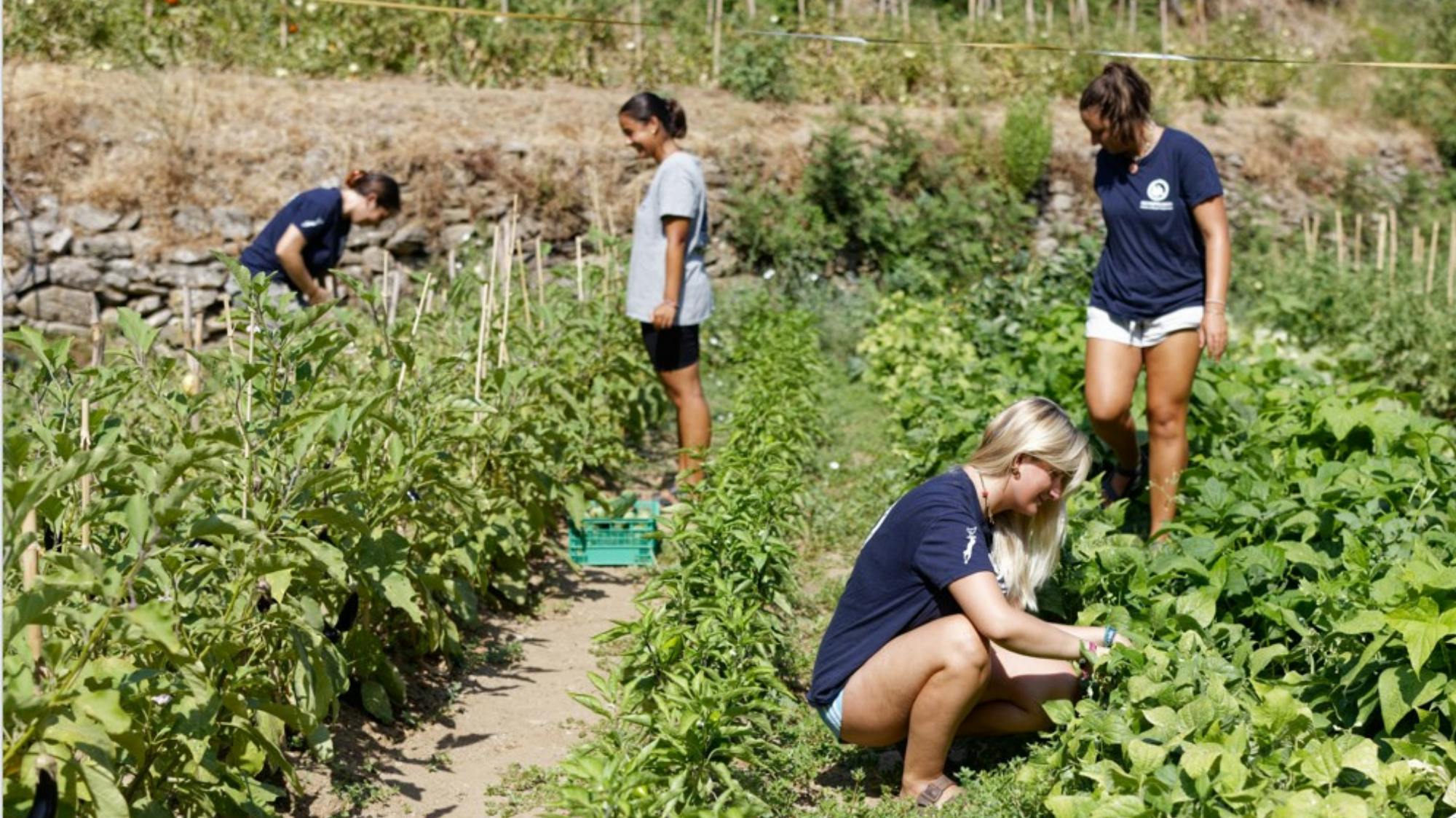
- Manage and nurture organic gardens using ecological and sustainable methods.
- Assist with healthy crop development, monitoring and analysis.
- Conduct literature reviews on the use of chemical pesticides in the Aegean Sea islands.
- Contribute to public health campaigns, promoting safe, organic agricultural techniques.
Your internship abroad host organization:
- Marine Institute of Conservation
Internship details
The Agronomical Research & Sustainability internship program in Greece is primarily based in the island of Samos, situated in the eastern Aegean Sea. Collaborating with an experienced and long-established marine conservation non-profit organization, interns support the large onsite organic gardens, which supply high-quality organic produce.
This is an in-country internship, with accommodation and meals provided. Click here to view remote Environmental Science internships you can undertake from home.
Main areas of focus for Agronomical Research & Sustainability internships include:
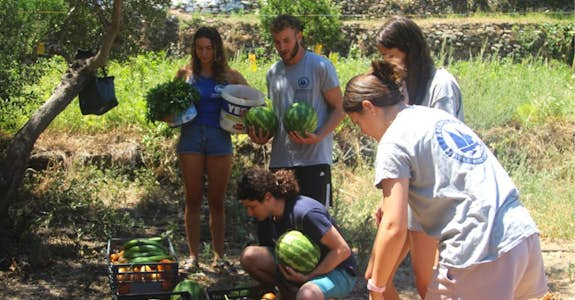
- Cultivation and Maintenance: Managing and nurturing organic gardens using ecological and sustainable methods.
- Monitoring and Analysis: Regular observation of plant growth, soil quality, and the presence of pathogens to ensure healthy crop development.
- Experimental Cultivation: Testing various agricultural practices to improve soil health and increase crop productivity without compromising organic standards.
- Pathogen Control Techniques: Exploring and evaluating non-chemical methods to manage and limit the impact of plant diseases.
- Research and Awareness: Conducting literature reviews on the use of chemical pesticides in the Aegean Sea islands, with the aim of informing public health campaigns and promoting safe, organic alternatives.
You might also find yourself trying new things! Interns on this program may have diverse opportunities to assist other multidisciplinary conservation teams as well. For example, collaboration with environmental awareness campaigns, public relations, education initiatives within the community, support to other project teams, and more.
Activity preferences are subject to availability, as conservation and research priorities vary throughout the year. In the event that you’re afforded the opportunity to attend certain fieldwork surveys, you may be asked to complete theoretical training/preparation tasks first.
Seasonality & Minimum duration requirements:
All activity schedules can vary based on weather conditions and seasonal projects. The internship minimum duration requirements vary throughout the year.
What to expect:
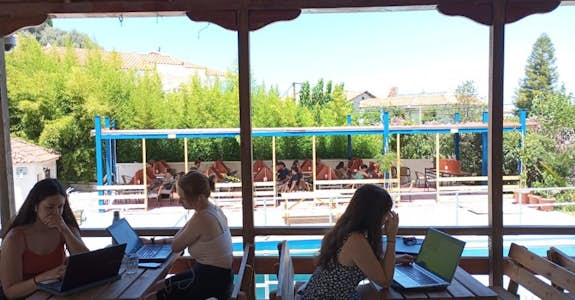
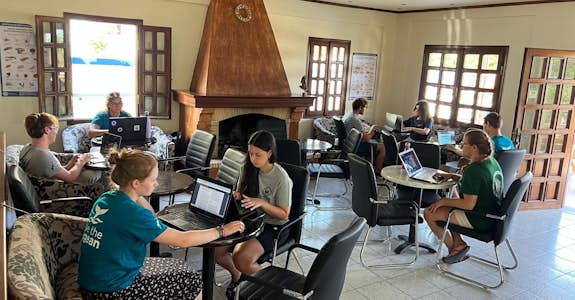
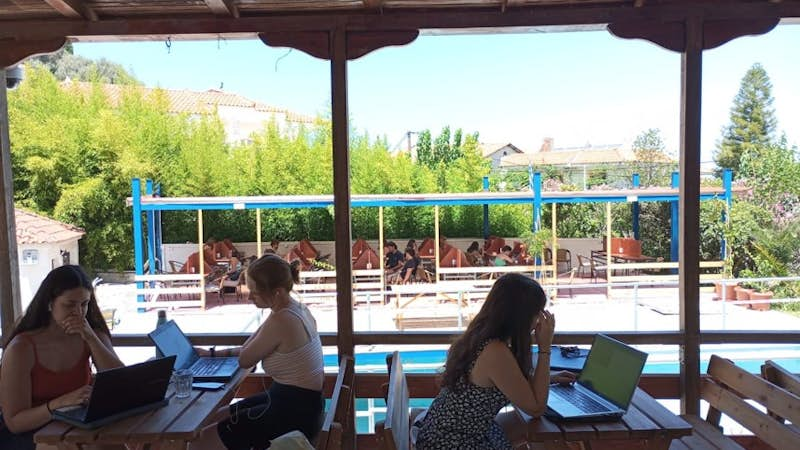
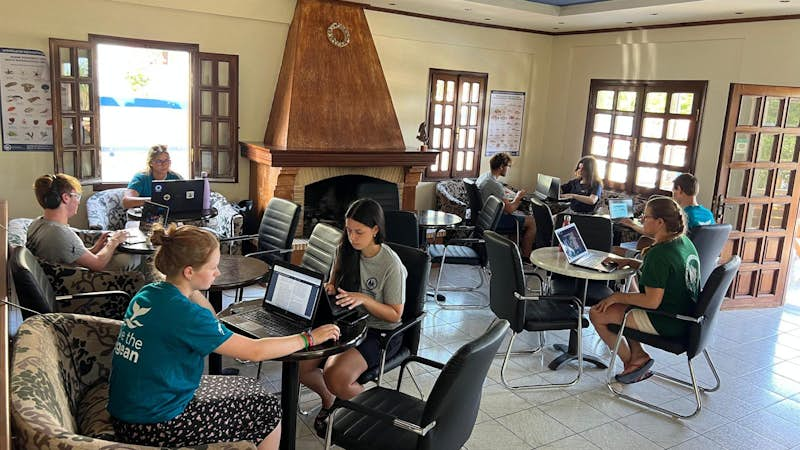
Interns must come prepared to assist with office/admin based activities, in addition to hands-on fieldwork. All tasks related to data collection and data analysis in the field require follow up work on a computer, which is an essential aspect of research and scientific progression. (Interns must bring their own computer).
Expect that the first week of your experience will focus on settling in, building new relationships, gaining introductory and foundational knowledge. Being able to balance the motivation to get stuck in as soon as possible must be balanced with teamwork, patience, the willingness to try new things, achieve learning milestones, and ask questions as you progress. Prior to participating on certain surveys, all interns are required to complete theoretical training/preparation tasks related to species identification, data sheets, etc.
A commitment to responsible communication and self-management is required. Supervisors will assign tasks and projects but interns are required to organize and put suitable timelines in place for achieving the best outcome.
Typical Schedule
-
Monday to Friday, approximately 9am until 5pm.
What are the career benefits of interning abroad as a Agronomical Research & Sustainability Intern?
Agronomical Research & Sustainability interns learn from a qualified and experienced supervisor, and can be involved in:
-
Organic garden cultivation, maintenance, monitoring and analysis.
-
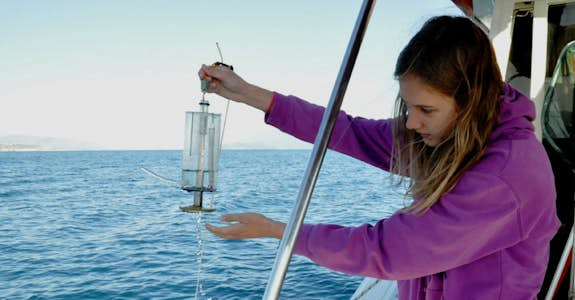
Collection and analysis of diverse samples (water, soil, etc).
-
Research to improve agricultural techniques and sustainability initiatives.
-
Contribution to public health campaigns.
Professional development opportunities:
-
Gain hands-on experience in organic gardening using ecological and sustainable techniques.
-
Broaden your understanding of Mediterranean agricultural systems, which vary significantly from those in other parts of the world.
-
Build foundational competencies in sustainable agriculture and permaculture.
-
Showcase your ability to evaluate techniques and recommend improvements.
-
Boost your employability and essential soft skills, with guidance from Intern Abroad HQ’s Experiential Learning Curriculum.
Are you eligible for this internship?
Submit a free application so we can confirm your eligibility and check availability for your preferred dates.
Not sure which program to join?
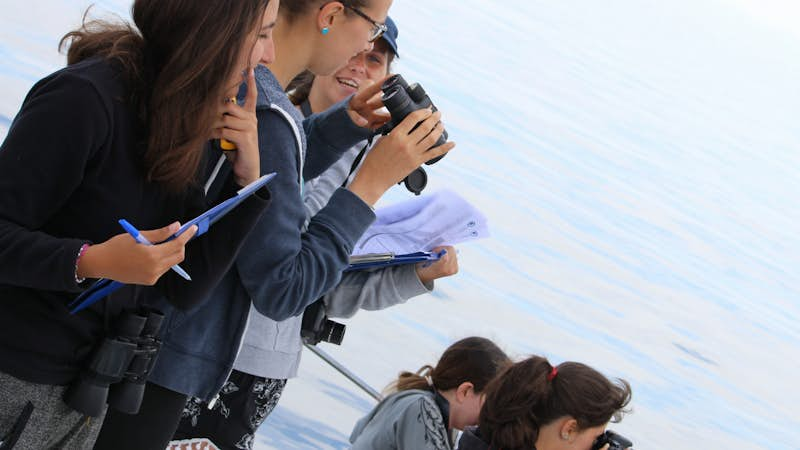
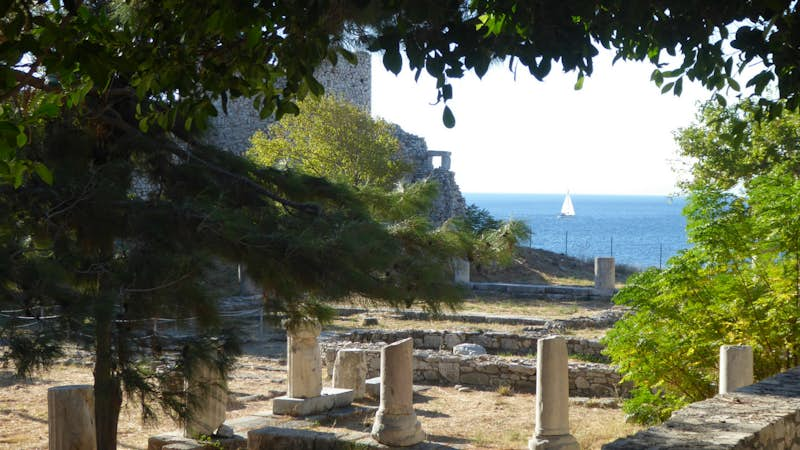
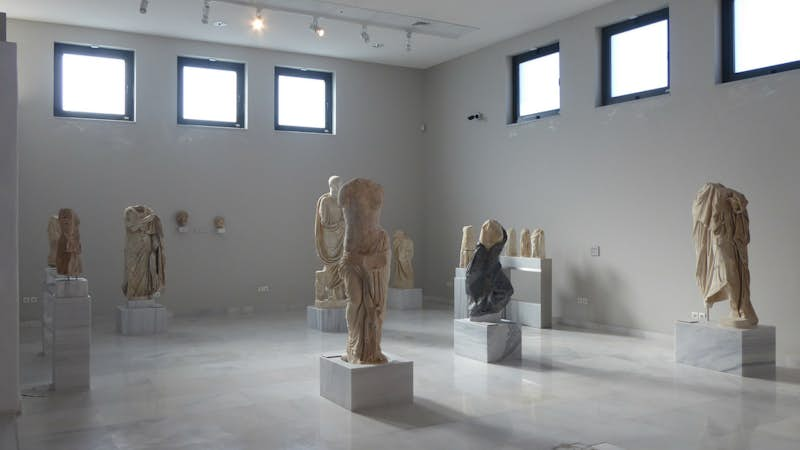
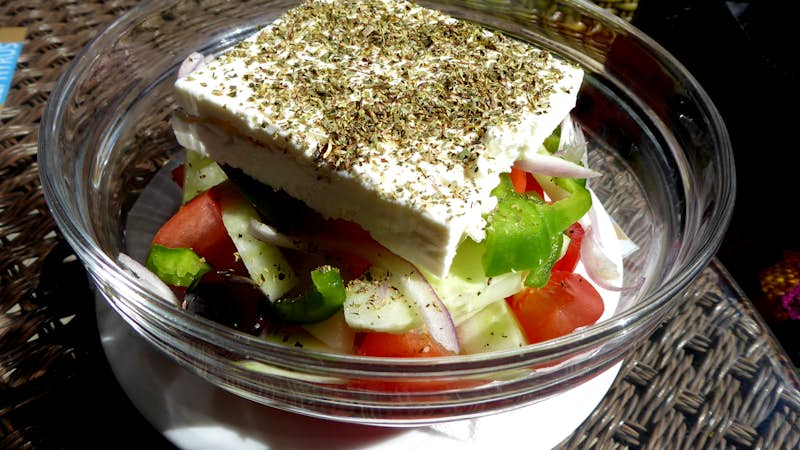
Greece photo gallery
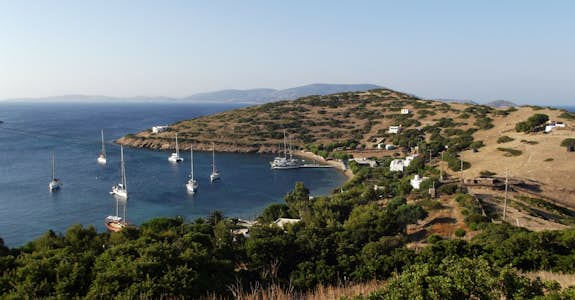
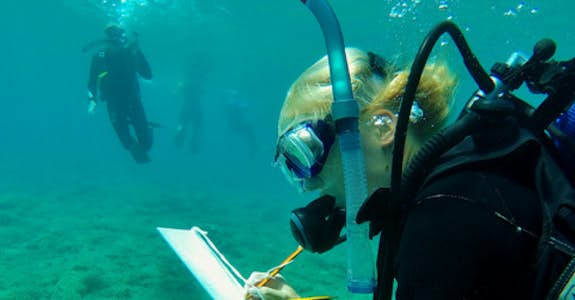
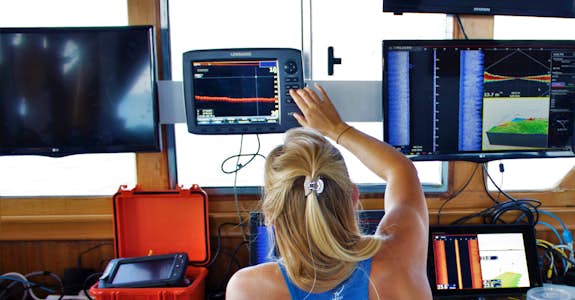
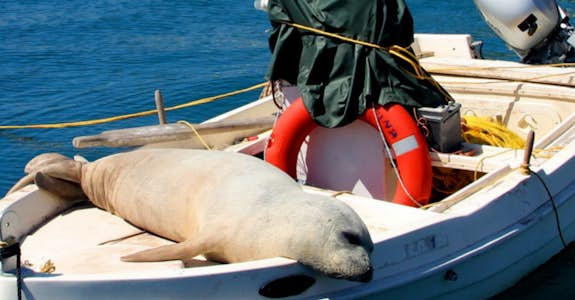
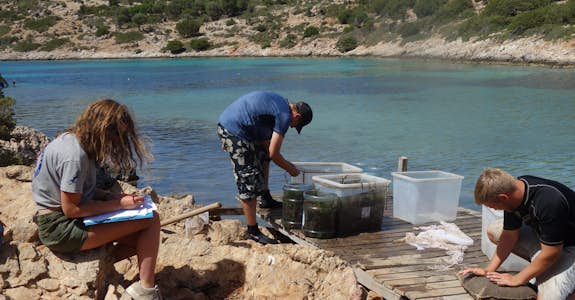
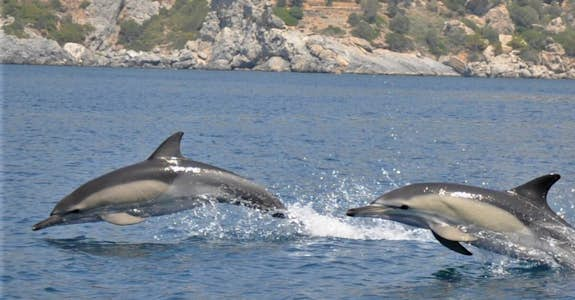
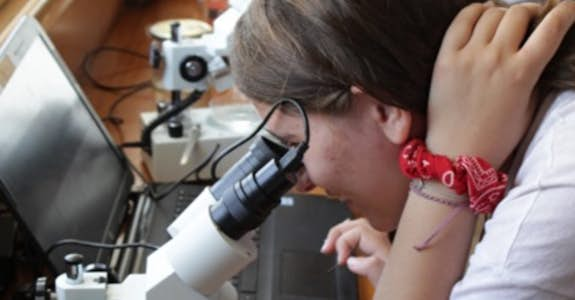
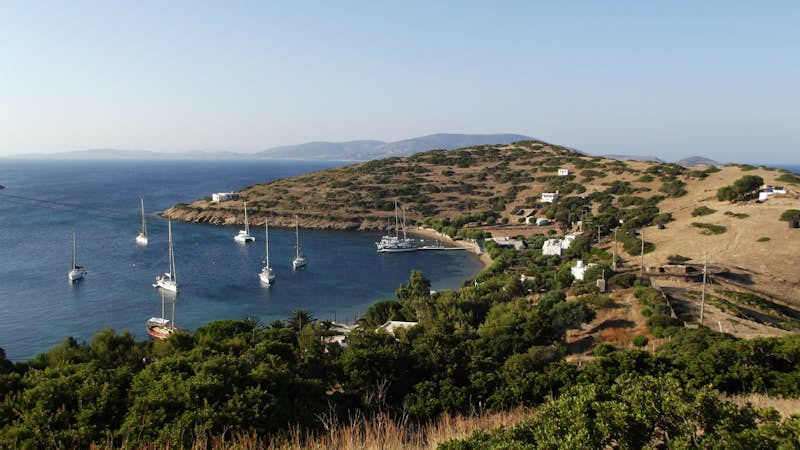
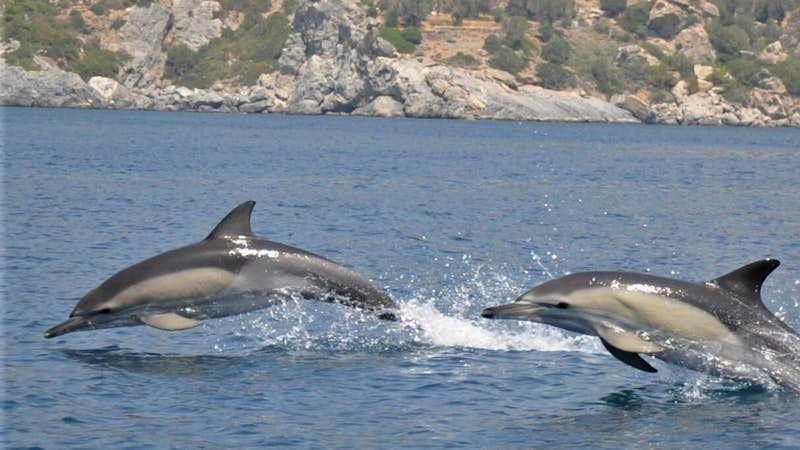
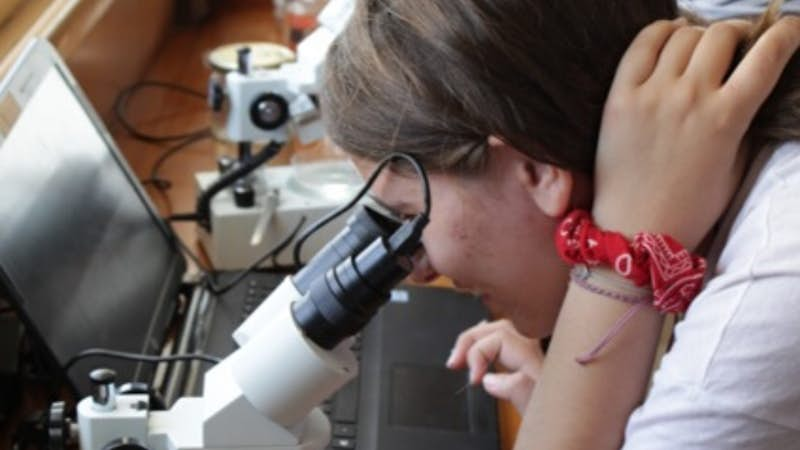
Academic credit available for all internships
Get course credit from your college or university while completing your internship abroad or a remote internship program. It's a great way to meet your academic requirements and gain valuable experience at the same time.
Learn about course creditProgram fees
Applying for our Agronomical Research & Sustainability Internship is completely free! The support package covers the assistance we provide in finding your internship and arranging your living accommodations in your host country, ensuring you thrive during your program.
Please note that a deposit of US$499 is required to confirm your place. The remaining balance (minus your initial US$499 deposit) is due at least 60 days before your internship start date.
Duration |
Program Fee |
|---|---|
| 4 weeks | $2,025 Equivalent to $72 /day |
| 5 weeks | $2,205 Equivalent to $63 /day |
| 6 weeks | $2,570 Equivalent to $61 /day |
| 8 weeks | $3,275 Equivalent to $58 /day |
| 10 weeks | $3,875 Equivalent to $55 /day |
| 12 weeks | $4,150 Equivalent to $49 /day |
| 16 weeks | $5,180 Equivalent to $46 /day |
| 20 weeks | $6,160 Equivalent to $44 /day |
| 24 weeks | $6,895 Equivalent to $41 /day |
- Airport pick-up
- Daily breakfast, lunch and dinner
- Accommodation
- 24/7 in-country support
- Program orientation
- Dedicated support before, during, and after your internship
- In-country guidance for social and tourist activities
- Sourcing and securing your internship placement
- Personalization of your internship plan
- Coaching from your supervisor
- Documented portfolio of your experiential learnings
- Academic credit facilitation
- International reference letter
- Certificate of Internship Completion
- In-country transportation
- Transfer back to the airport at the end of your internship program
- Visa (if required), flights, travel insurance (mandatory), vaccinations, criminal background check
- Personal spending money for snacks, drinks, public transport, laundry, and leisure activities during your free time.
Activities and tourism
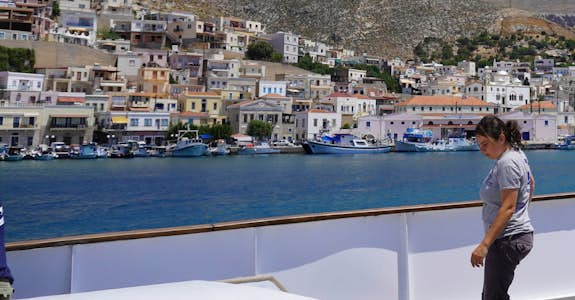
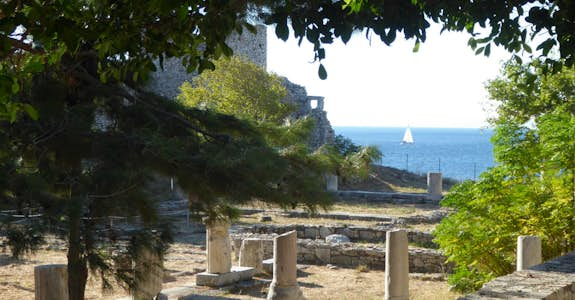
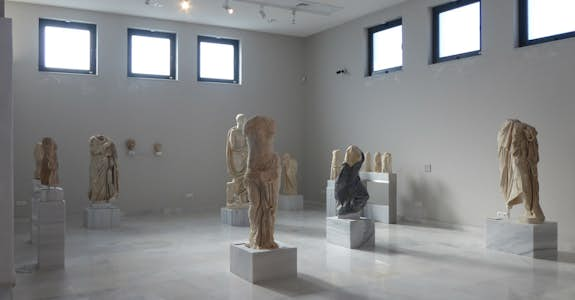
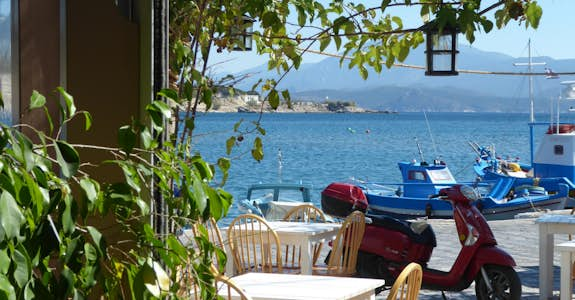
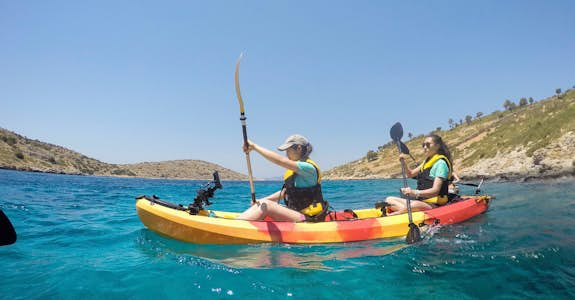
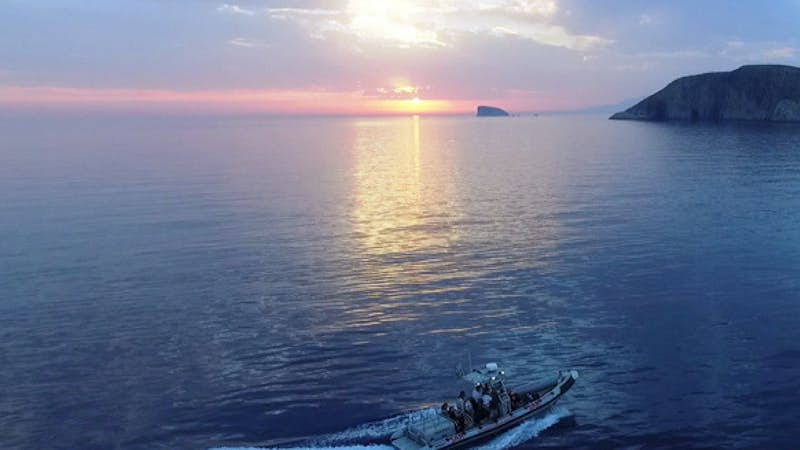
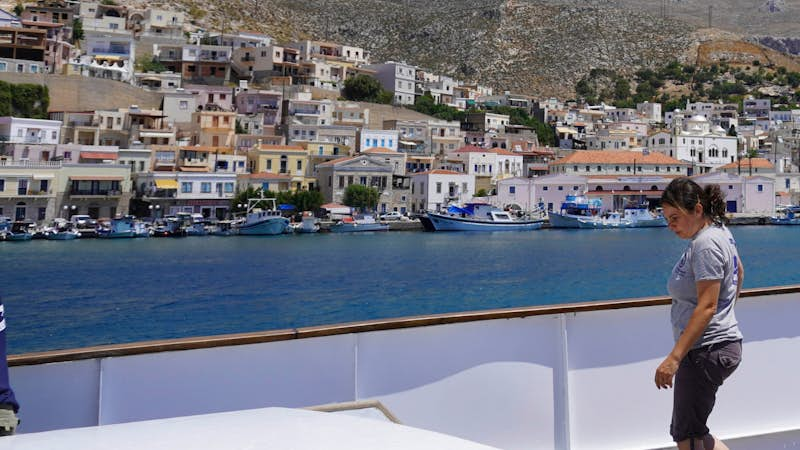
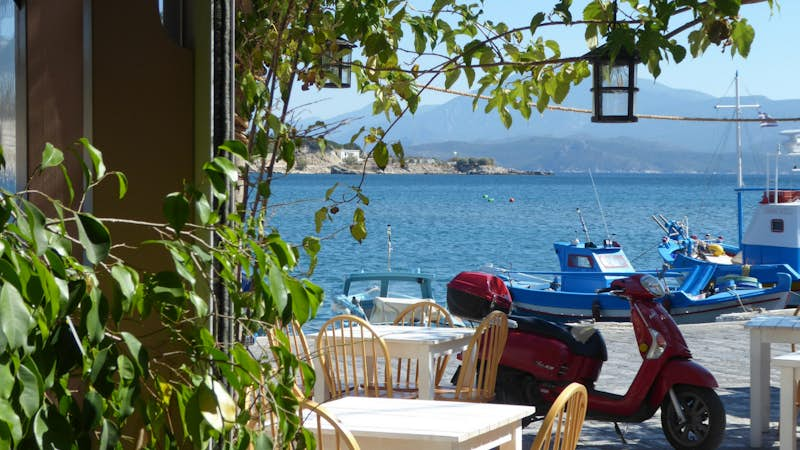
Samos has emerged as peaceful destinations for relaxing away from the hustle and bustle. While the island receives tourism, it is not considered to be a destination for the masses. The island is relatively small and rural, with tight-knit communities, where social cohesion is expected. Spare time during the weekends is available to unwind and explore. There is no shortage of things to see and do, as the islands have ample scenery, hikes, beautiful beaches, restaurants, tourism attractions, culture and history. In the major towns of Pythagoreio, Vathi/Samos City, Karlovasi and Marathokampos, there are numerous shops and supermarkets, tavernas, cafés/restaurants, museums, archaeological sites and pharmacies. The Samos Island medical services include a general hospital in Vathi/Samos City, a health clinic in Pythagoreio, as well as pharmacies in most towns. Note that sometimes internship activities can take place over weekends, so a flexible nature is required.
Arrival and Orientation
When are internships in Samos available?
Start dates are available on the first and third Monday of each month. Exceptions may be made to this when start dates are shifted to avoid public holiday disruptions or closed when the program has already reached capacity. Minimum duration options vary, depending on the internship and time of the year.
When do you need to arrive and check-in?
Airport pick up and accommodation are included in the Program Fee. Interns are asked to arrive on their chosen Monday start date - no earlier. The accommodation is covered from the first Monday night of the program. If you arrive earlier than your Monday start date, you may be required to arrange your own transportation from the airport and check-in to alternative accommodation (at your own expense) prior to joining the program on the scheduled Monday start date.
The typical port of entry into Greece is the Athens International Airport Eleftherios Venizelos (ATH), the largest international airport in the country. From this airport, interns need to connect onto a further domestic flight to Samos Island, via Samos International Airport (SMI). Upon arrival at SMI, interns will be met, greeted, and transferred to the accommodation. No airport meet-and-greets are provided in Athens.
The last night of the accommodation is the Friday night of the final week, leaving interns free to depart on Saturday. (Prior to departure, extra nights of accommodation may be arranged in advance, if requested, but are subject to availability.) Return transportation to the airport is not included.
Participants are advised not to book flights until they have first registered to confirm their participation and internship placement details.
What does the internship orientation cover?
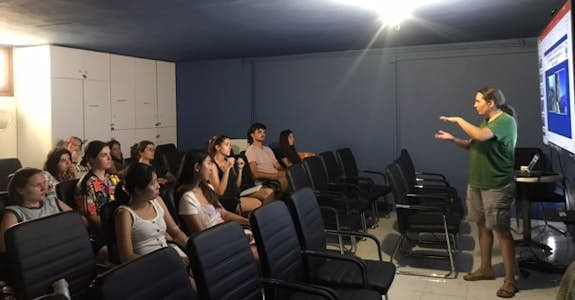
After having time to settle in (after arrival), a formal orientation will take place the following day. Orientation covers important details for your internship, including introductions, information about customs, rules, expectations, safety, and more.
Check what's required to visit Greece
Check out the widget below to learn about the visa requirements for the Agronomical Research & Sustainability internship in Greece, based on your country of residence.
Accommodation and WiFi
What kind of accommodation is provided for interns?
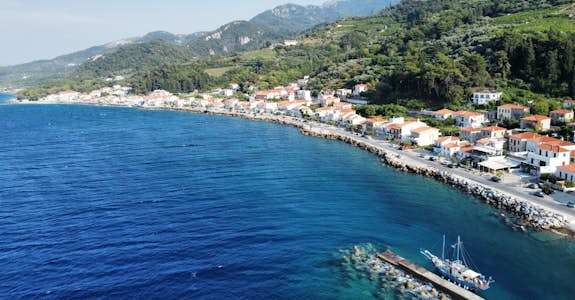
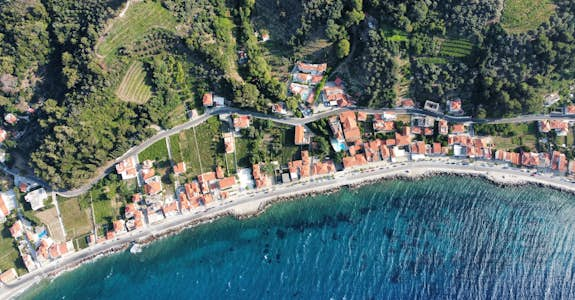
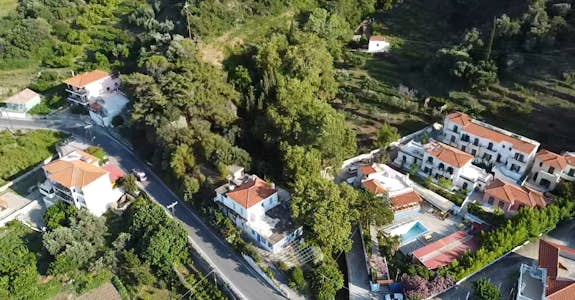
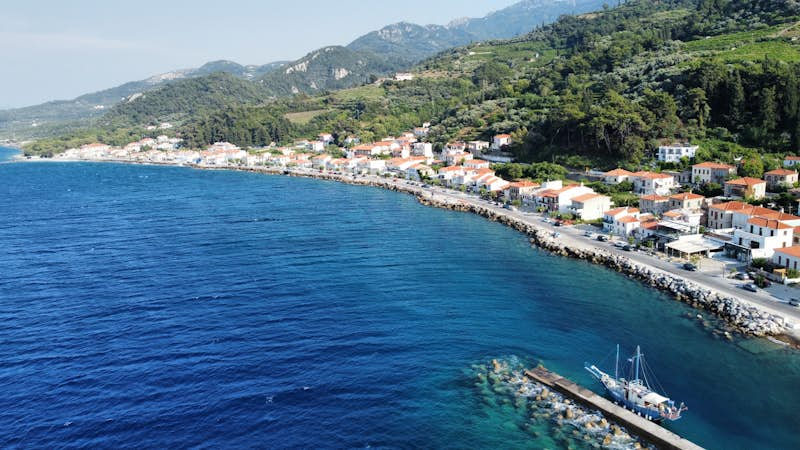
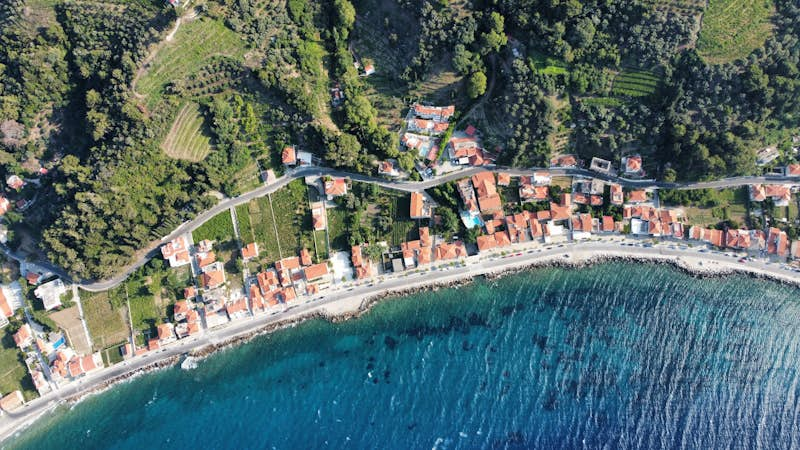
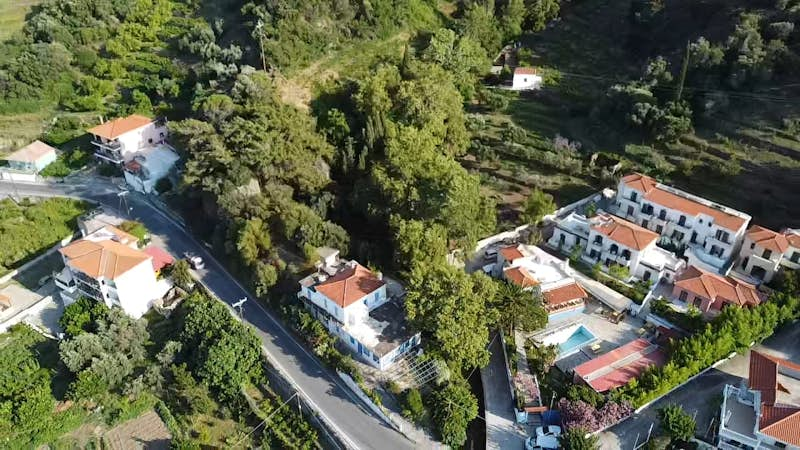
Interns are accommodated in Samos, where the main research base is located. The base is located in the village of Agios Konstantinos. It is a few minutes walk from the seafront, where you can find restaurants, cafes, small shops, and a pharmacy. The bus stop is right in front of the base to go to Vathi (also known as Samos Town), Karlovasi or Pythagorio. Occasionally interns may have the opportunity to spend time at alternative research bases, on Lipsi island for example, where alternative accommodation is utilized.
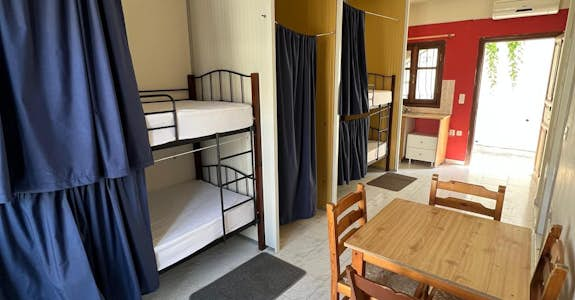
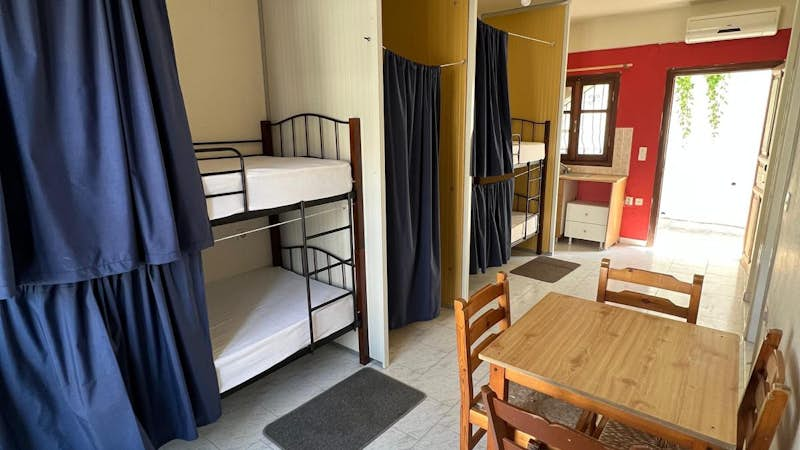
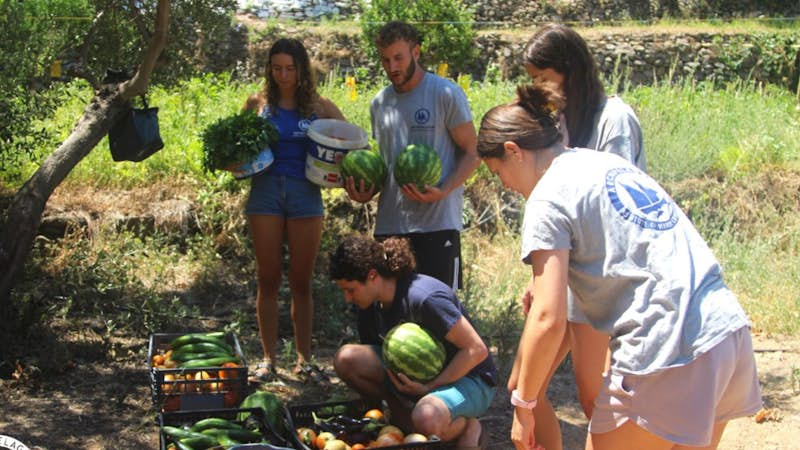
Living is comfortable but basic. The shared accommodation offers electricity, running water, shared common dining area, washing machines and a dryer. The whole team helps out in the on-site organic garden, which provides pesticide-free fruits and vegetables in order to become self-sufficient. The base is gradually being equipped with solar panels as a source of green energy, while ongoing efforts are made to minimize the use of single-use plastic.
Accommodation is not air conditioned. If you are sensitive to hot temperatures, this should be considered when planning a summer internship. (Likewise, if you are very sensitive to cold conditions, then it is better to schedule your internship outside of winter months - but the rooms do have access to heating systems).
Please note that the accommodation pictured in the photo gallery of this webpage represents the main base, described in this section. However, occasionally interns may have the opportunity to spend time at alternative research bases, on Lipsi island for example, where alternative accommodation is utilized.
Is the accommodation shared?
Yes. Guest bedrooms can be shared between up to 3-4 people of the same gender. Each room also includes a shared bathroom. Most guest bedrooms also feature access to a balcony. Private rooms are not available. If you are interning alongside a friend, please let us know and we can aim to ensure you’re accommodated together.
Any requests to exclude the accommodation service from your internship experience, in order for you to make independent arrangements, must be discussed and confirmed in advance. No program fee discounts are available for accommodation exclusions.
Meals
Are meals included?
Yes - the internships in Samos include three meals per day, served at the accommodation/base. Breakfast is available from 8am until 8:45am. Catering is self service.
What kind of meals are provided?
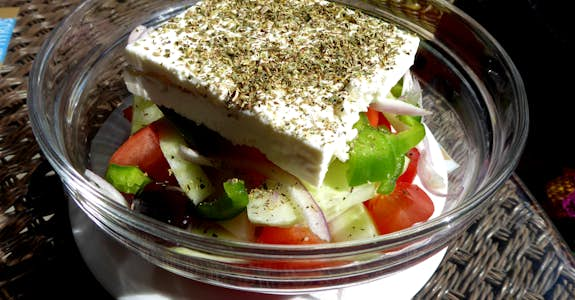
The style of food is typically Greek and dishes are simple, including dishes such as pastas, salads, legumes, seasonal fruit and vegetables. The meals provided are intended to be hearty and healthy (based on seasonal produce which is locally available), but not indulgent. If there are special snacks you like to have, please budget for them and take care of your own preferences independently.
Interns usually report that they spend approximately €30-40 per week on extra food supplies and shopping at the supermarket/bakery (including a meal out). There are many tasty eateries around, so you can enjoy supporting local businesses and trying the delicious specialties. Weekly spending for personal snacks and treats will depend on your own habits and lifestyle choices, so please plan accordingly.
Can various dietary requirements be catered for?
Please let us know of any specific dietary requirements that you have in advance, so that we may ensure your hosts are aware and make recommendations accordingly.
Essential country information
| Capital | Athens |
| Population | 10.75 million |
| Languages | Greek |
| Currency | Euro (€ - EUR) |
| Time zone | UTC+02:00 |
Weather and climate:
In Samos, the climate follows typical Mediterranean patterns. The summers are hot, arid, and clear; the winters are long, cold, wet, and partly cloudy. It is windy in the Aegean Islands year-round.
The main summer period runs from mid June to mid September, with an average daily high temperature above 84°F / 29°C. The hottest month of the year is July, with an average high of 90°F / 32°C. The summer months are also the driest. The Spring period is moderate and (as it’s not so hot) also a popular season for tourism.
The winter months are from late November through to late March. The coldest month of the year is usually January, with an average low of 43°F / 6°C and high of 54°F / 12°C. Rainfall is more common and the winter months on the Greek islands are fairly slow with tourists.
The nature of activities that interns are involved with varies depending upon seasonality, as all internship activities are subject to weather conditions. Therefore, over the winter months, interns should expect less boat surveys (and tasks related to marine mammals) and more tasks related to marine ecology, microplastic assessment in the laboratory, and (subject to availability) marine sanctuary project priorities.