
Marine Biology & Reef Conservation Internships: Intern abroad in Sodwana Bay, South Africa
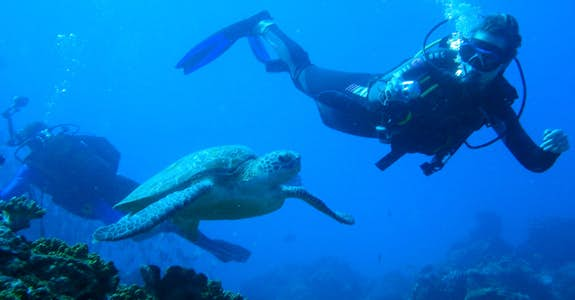
If you’re passionate about marine conservation and diving - or if you’ve always wanted to learn - this is the opportunity for you! Sodwana Bay is a World Heritage site with renowned natural beauty and coral reefs that are home to turtles, whales and manta rays. Learn about Indian Ocean reef conservation, gain marine ecology training and scuba experience in one of the world’s prime marine habitats.
What to expect from your Marine Biology & Reef Conservation internship:
- Regular scuba diving in a world-renowned dive site
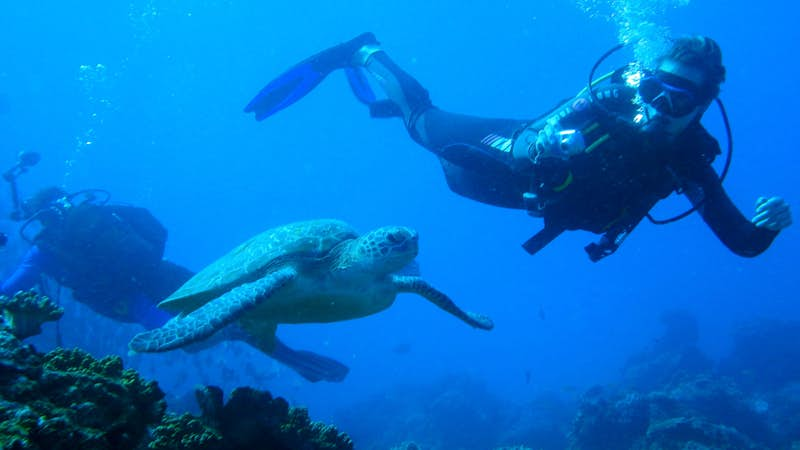
- Encounters with a wide range of marine life, which can include whale, turtle and manta ray sightings
- Get real understanding about conservation efforts in a rich marine environment
Your internship abroad host organization:
- Marine research camp
Internship details
If you’re passionate about marine conservation and diving - or if you’ve always wanted to learn - this is the opportunity for you! Learn about Indian Ocean Reef Conservation, gain marine ecology training and scuba experience in one of the world’s prime marine habitats.
This is an in-country internship, with accommodation and meals provided. Click here to view remote Environmental & Marine Sciences internships, which you can undertake from home.
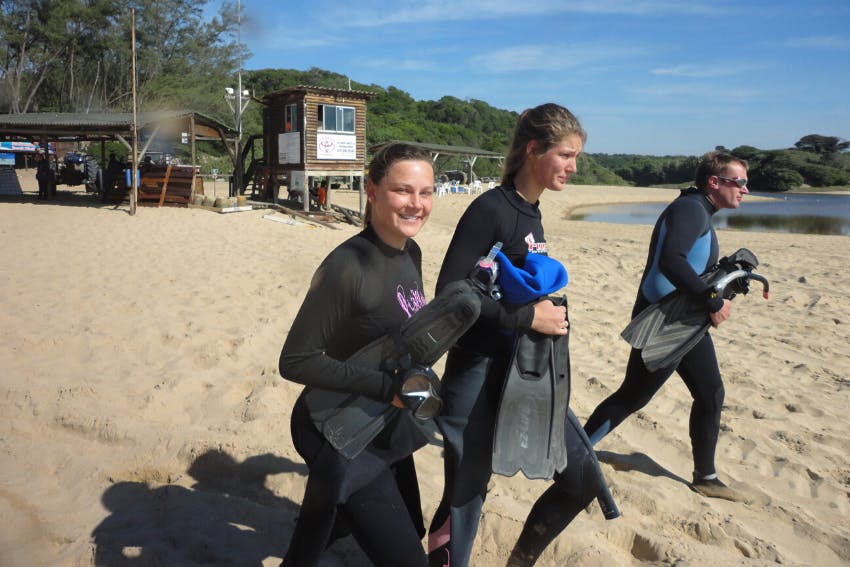
This internship is tailored towards providing young people with 5 star PADI dive tuition, along with an excellent introduction to Indian Ocean marine ecology (via online training presentations).
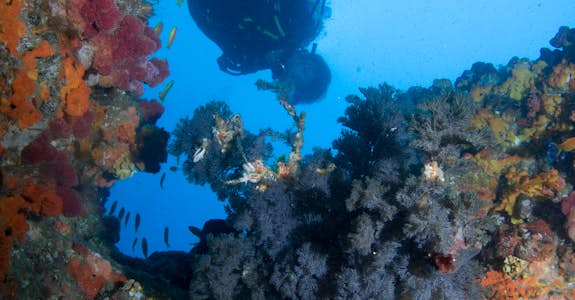
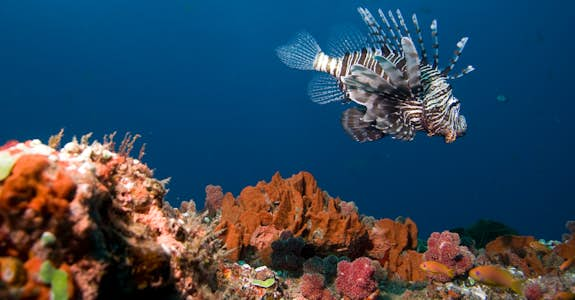
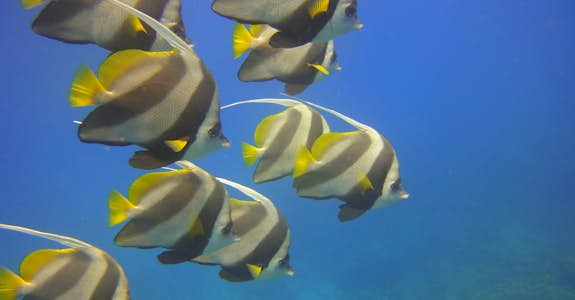
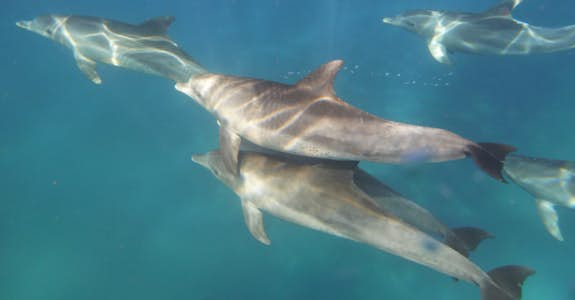
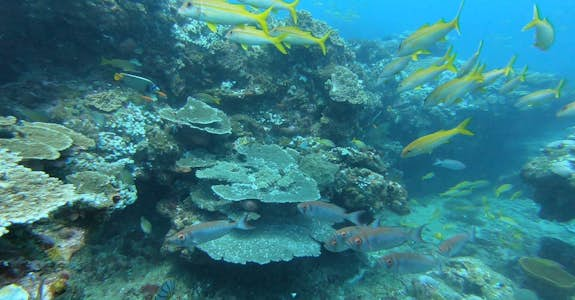
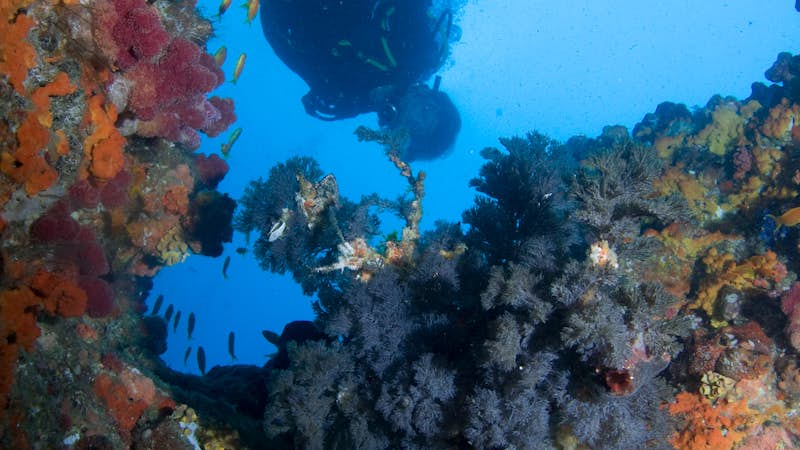
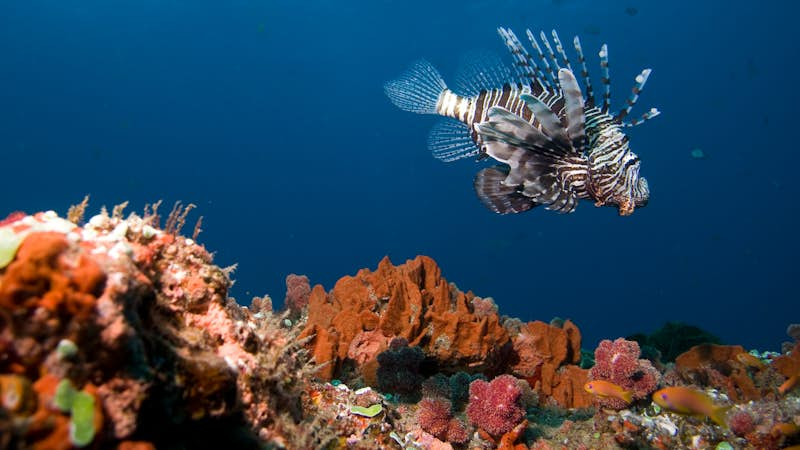
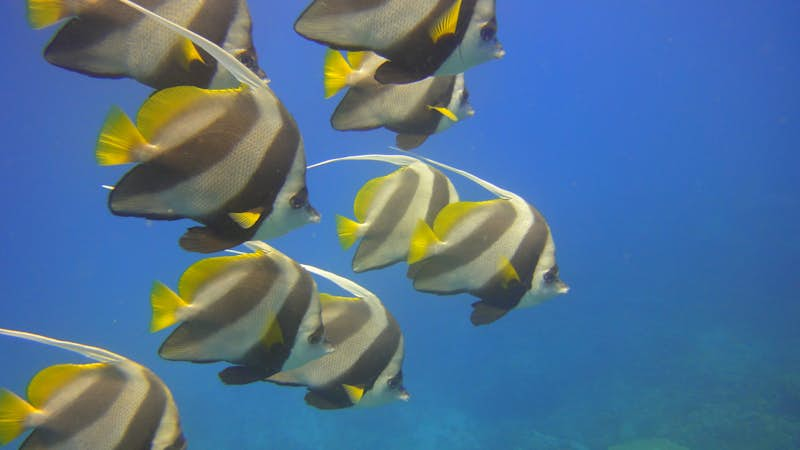
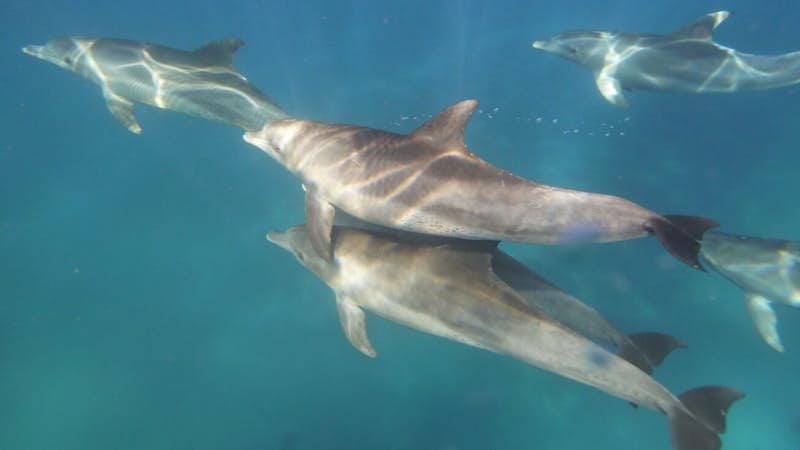
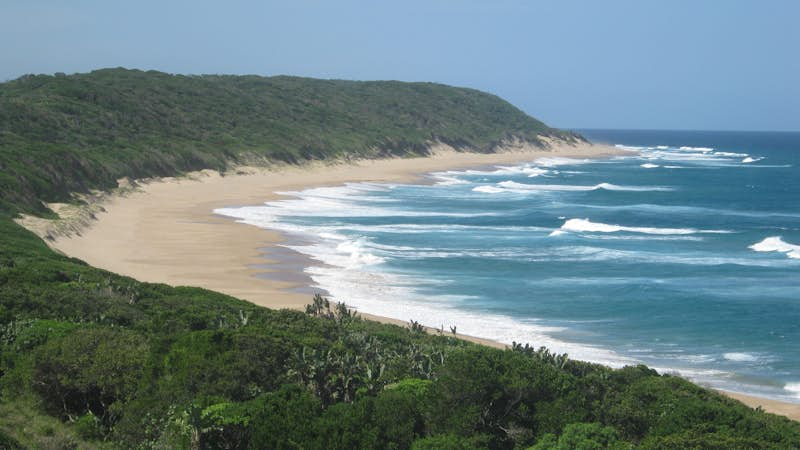
Sodwana Bay is South Africa’s first UNESCO World Heritage Site, with world-renowned dive sites and coral reefs. It’s home to some of the world’s most diverse fish communities, including turtles, manta rays and sharks, and is a main highway on the seasonal migration routes of humpback whales. It’s also the base for this Marine Biology and Reef Conservation internship, where interns assist with a wide range of marine conservation and research tasks.
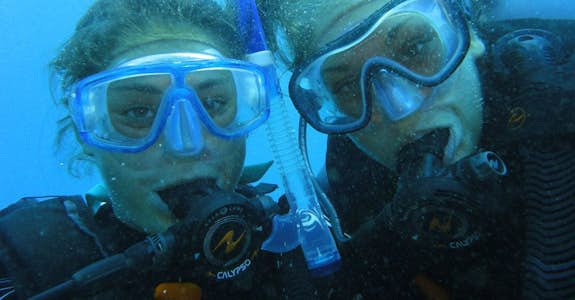
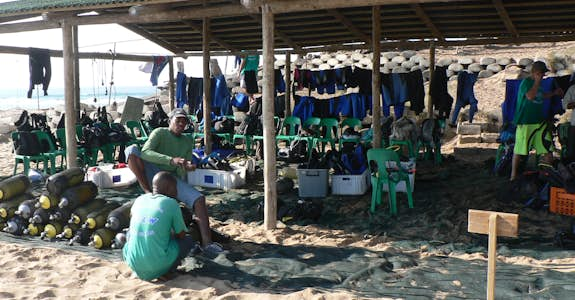
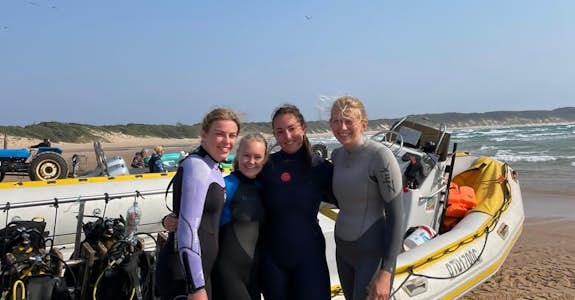
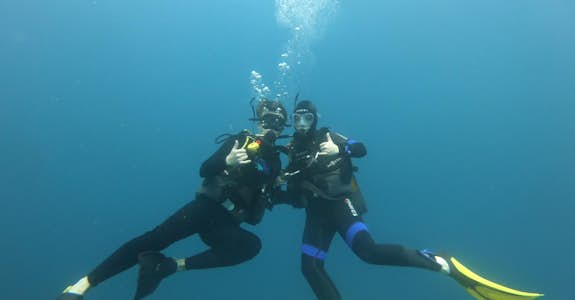
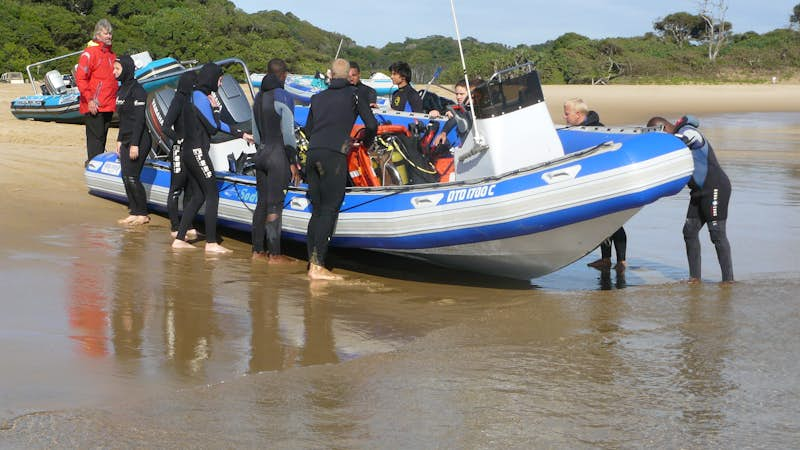
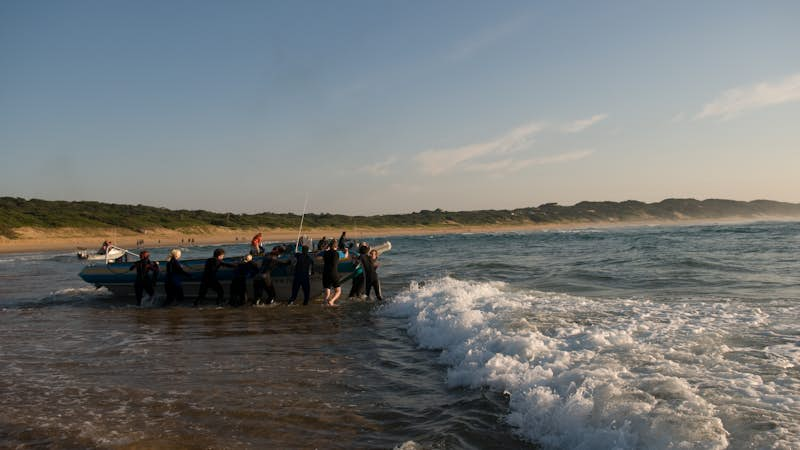
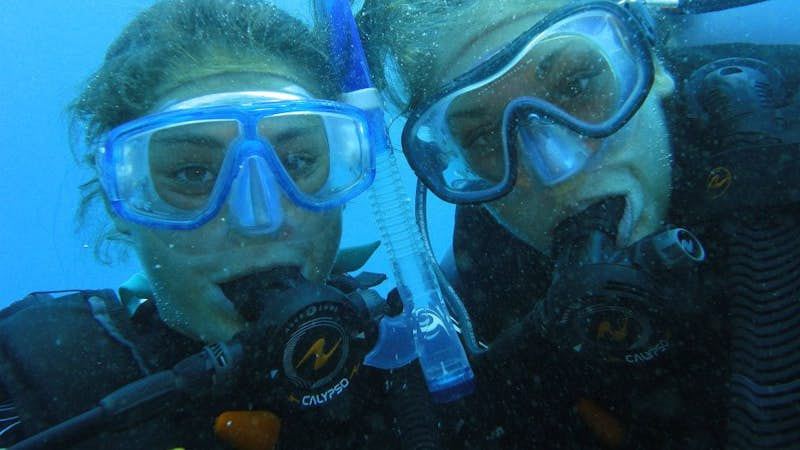
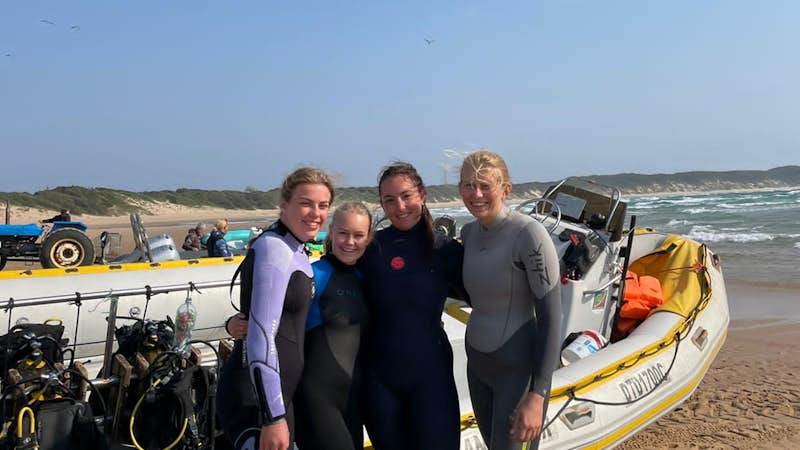
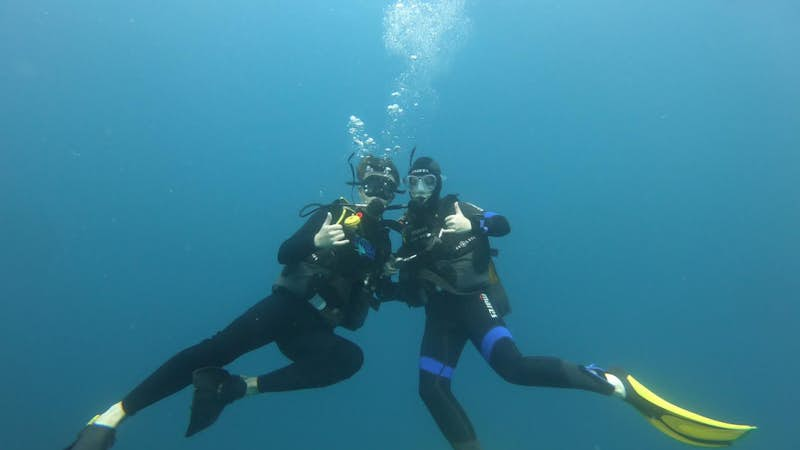
Interns are based in a marine camp, where they learn and utilize scuba diving skills to aid research into the health of the marine ecosystem and effectiveness of reef conservation methods in the area. The internship endeavors to include 20 dives per month, or 10 dives every two weeks (subject to weather conditions).
-
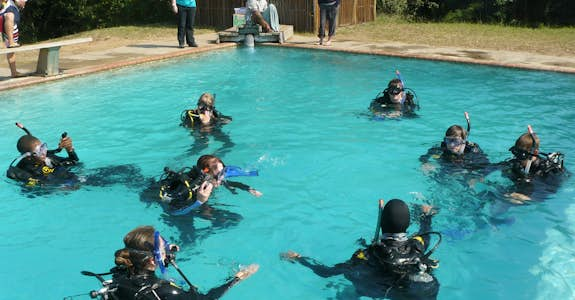
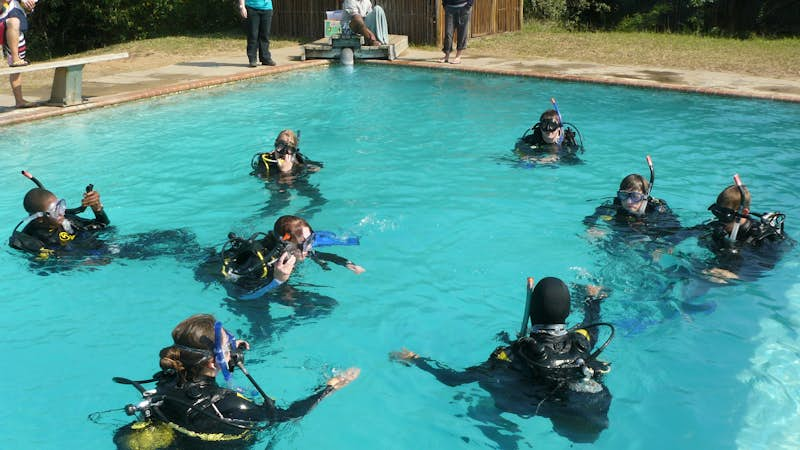
If not already dive certified, you will be trained as a PADI Open Water Diver. Following successful completion of the training, you will receive your PADI Open Water certification. This certification qualifies a diver for open water dives to 18m (with a dive buddy).
-
Already qualified divers will get the chance to complete further advanced dive training, allowing them to dive to 30m and experience some of Sodwana’s deeper reefs. You can also choose from a range of dive specialty courses, which may be available at an additional cost (e.g. Deep, Nitrox, Peak Performance Buoyancy, etc) or the Rescue Diver course.
Interns contribute to creating marine conservation awareness for Sodwana Bay through interpretive sea dives. This can involve the capture of underwater photographs for the iNaturalist citizen science database, to support awareness around the keystone species inside the marine protected area. Such species include sea turtles (Green, Hawksbill and Loggerhead), potato bass grouper and nudibranchs.
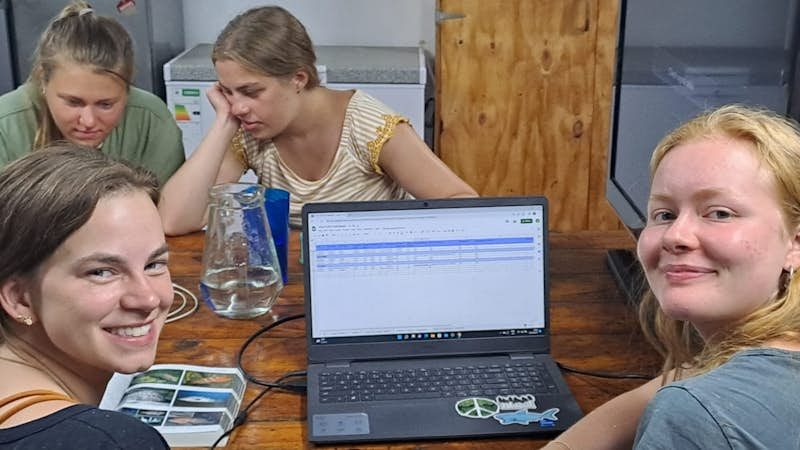
Please note that on this particular internship, there are limited research opportunities and no specimen collection or lab work being conducted. General activities include underwater scuba surveys, collecting data on the population of species such as turtles, manta rays and sharks, species photography, and data entry into global or regional databases.
Interns help to use underwater cameras, add to photographic databases and assist with species identification. Interns can learn a range of data collection methods, using various techniques to contribute to databases of fish, coral and invertebrates. Monitoring populations, densities, locations and behaviour of different species helps to provide feedback on the health of the marine environment and the effectiveness of conservation strategies.
Not only does your internship offer incredible opportunities to enjoy your unique natural surroundings, but you’ll have plenty of spare time to explore too. No trip to South Africa is complete without doing a safari, and you’ll be able to glimpse incredible wildlife up close in an ethical, responsible way. Internships in South Africa are perfect for nature-lovers, or anyone looking for a digital detox.
Interns will be asked to complete a general dive medical questionnaire (prior to leaving your country of origin and prior to starting the internship program). In certain or isolated cases, some participants may need to obtain specific clearance by a dive Doctor if any disclosed illness or injury is of a serious nature (which could potentially endanger you while diving). In this case, you’d need to be issued with a medical certificate stating or clearing that you are fit to dive irrespective of the illness or injury. Such information would need to be provided to us in advance of your arrival. If you have previously been diagnosed with Covid-19, then you will need to consult your doctor and obtain medical clearance prior to joining the diving activities of this internship. You will need to do this in advance, before you arrive for the internship.
Typical Schedule
-
Internship activities are usually full time (up to 8 hours a day), though this is subject to weather and seasonal conditions. You’ll be expected to assist 5 days a week most weeks, but some weekend activities may sometimes be available. Your schedule will be arranged with your supervisor.
What are the career benefits of interning abroad as a Marine Biology & Reef Conservation Intern?
Marine Biology & Reef Conservation interns learn from a qualified and experienced supervisor, and can be involved in:
-
Scuba surveys
-
Collecting population data for turtles, manta ray or sharks
-
Underwater photography
-
Research data entry
-
Different data collection techniques for different marine species
-
Providing feedback on different conservation techniques
Professional development opportunities:
-
Learn to scuba dive or upskill your certification
-
Gain experience and understanding about one of the world’s best and most diverse marine environments
-
Learn and use practical research techniques
-
Gain scuba diving abilities for research purposes
-
Gain experience working with underwater cameras
-
Gain practical skills and boost your employability, with guidance from Intern Abroad HQ’s Experiential Learning Curriculum to support your learning and cultural intelligence
Are you eligible for this internship?
Submit a free application so we can confirm your eligibility and check availability for your preferred dates.
Not sure which program to join?
South Africa photo gallery
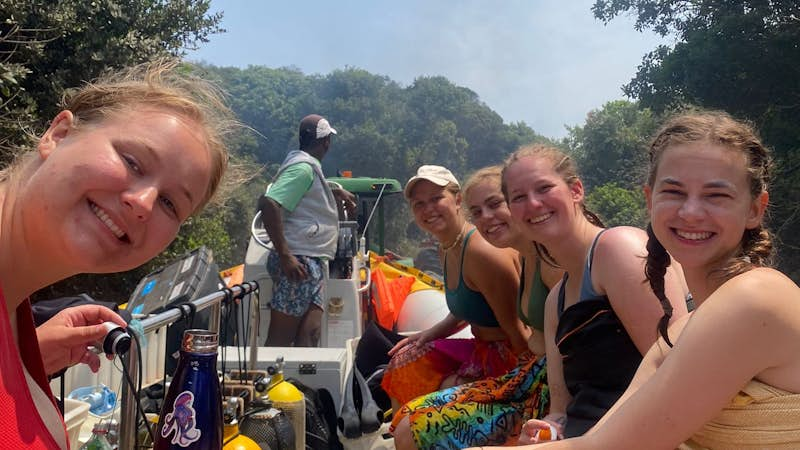
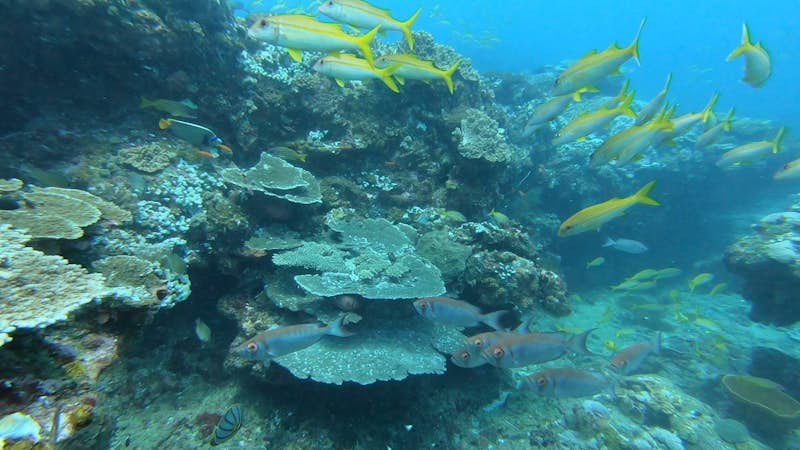
Academic credit available for all internships
Get course credit from your college or university while completing your internship abroad or a remote internship program. It's a great way to meet your academic requirements and gain valuable experience at the same time.
Learn about course creditProgram fees
Applying for our Marine Biology & Reef Conservation Internship is completely free! The support package covers the assistance we provide in finding your internship and arranging your living accommodations in your host country, ensuring you thrive during your program.
Please note that a deposit of US$499 is required to confirm your place. The remaining balance (minus your initial US$499 deposit) is due at least 60 days before your internship start date.
Duration |
Program Fee |
|---|---|
| 2 weeks | $2,089 Equivalent to $149 /day |
| 4 weeks | $3,049 Equivalent to $108 /day |
| 6 weeks | $3,984 Equivalent to $94 /day |
| 8 weeks | $4,894 Equivalent to $87 /day |
| 10 weeks | $5,859 Equivalent to $83 /day |
| 12 weeks | $6,769 Equivalent to $80 /day |
- Airport pick-up
- Meals
- Accommodation
- 24/7 in-country support
- Program orientation
- Dedicated support before, during, and after your internship
- In-country guidance for social and tourist activities
- Sourcing and securing your internship placement
- Personalization of your internship plan
- Coaching from your supervisor
- Documented portfolio of your experiential learnings
- Academic credit facilitation
- International reference letter
- Certificate of Internship Completion
- Visa (if required), flights, travel insurance (mandatory), vaccinations, criminal background check
- Personal spending money for snacks, drinks, public transport, laundry, and leisure activities during your free time.
Activities and tourism
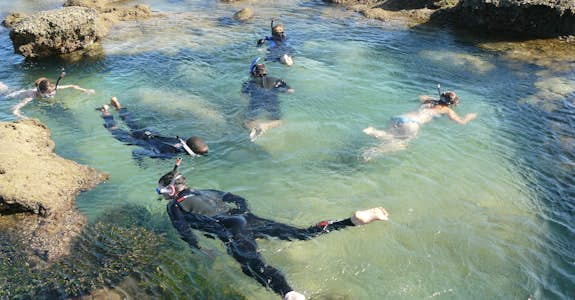
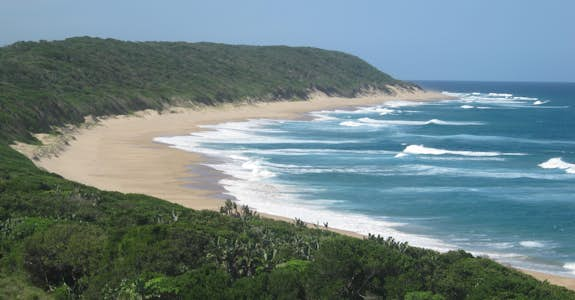
Sodwana Bay is a world class dive destination and small holiday village, mostly frequented by divers, snorkelers, deep sea anglers and beach lovers. The nearest largest town, Richards Bay, is approximately 200km away, so interns should be prepared for a rural setting. However, there is enough development to provide more than adequate comfort and activities. The small and close-knit local community provides a warm welcome and interns have the opportunity to feel like a local. Should interns wish (and time-permitting) they can join extra shark ecology and biology courses (this is not covered in the program fee and only available on request in-country). The northern region of KwaZulu-Natal offers many pristine beaches, as well as natural and scenic wonders such as Lake Sibaya (the largest freshwater lake in southern Africa), nearby Big Game Wildlife Reserves (Mkhuze, Hluhluwe-Imfolozi, Tembe Elephant Park), local community and craft villages, and access to some of the world’s southernmost coral reefs.
Arrival and Orientation
Marine Biology and Reef Conservation internships in South Africa begin on the first and third Monday of the month. Exceptions may be made to this schedule if a Monday start date falls on or near a public holiday. Note that the internship has limited capacity and we encourage interns to plan in advance, to secure your preferred internship dates. Interns may choose to spend a minimum of 2 weeks, up to a maximum of 12 weeks.
Airport pick up, drop off and accommodation are included in the Program Fee. The accommodation is covered from the Monday night of your start date - interns are required to arrive on their start date and are asked not to book flights until your placement has first been confirmed. Specific instructions will then be provided for arrival and departure logistics.
O.R. Tambo Airport in Johannesburg (JNB) is the typical international gateway, from where a domestic connection to the nearest airport in Richards Bay is required.
Interns are met on arrival at Richards Bay Airport (RCB) in KwaZulu-Natal and transferred to the reserve, departing as one group. Upon arrival to the site, interns will be welcomed and receive guidance in regard to orientation, safety, and getting settled in.
The last night of the accommodation is the Sunday night of your final week. Departing interns are provided return transportation into Richards Bay, for departure from the Richards Bay Airport, on the first and third Monday of the month.
Check what's required to visit South Africa
Check out the widget below to learn about the visa requirements for the Marine Biology & Reef Conservation internship in South Africa, based on your country of residence.
Accommodation and WiFi
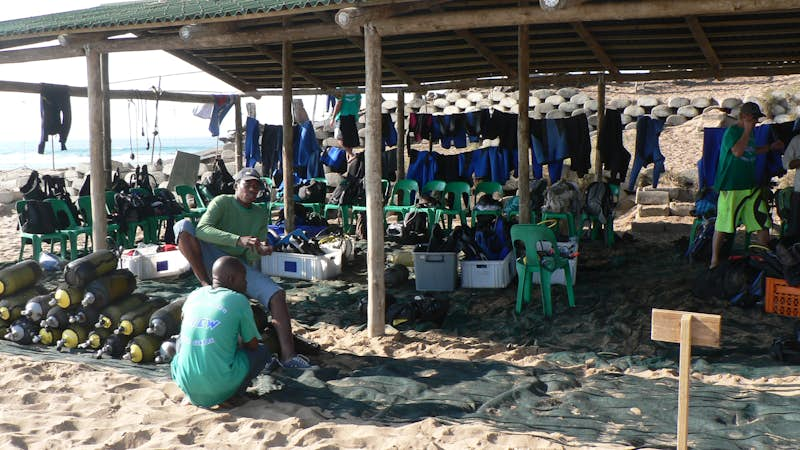
Interns are accommodated at a camp in Sodwana Bay village, conveniently located within walking distance of local restaurants and shops. The beach within the iSimangaliso Wetland Park is approximately a 10-minute drive from the camp. The camp features spacious outdoor gardens with plenty of shady trees, creating a relaxed natural setting, as well as a beautiful swimming pool for downtime between activities. The main beach and dive launch site can be reached in around 10 minutes by vehicle. Walking takes approximately 45 minutes, depending on your pace and fitness level. Interns can also make use of local taxis, which are readily available at reasonable rates and provide an easy way to get around the Sodwana area.
Interns are accommodated in multi-share chalets within the camp. On average, there are 1–10 marine interns staying at any given time, and interns should expect to share their room with others. Each chalet bedroom accommodates two to four interns in a combination of bunk and single beds. Bed linen is provided. During the winter months, when temperatures can become cooler, interns are advised to bring a sleeping bag for extra warmth. In summer, a sleeping bag is generally not necessary.
We aim to allocate rooms by gender, and in most cases this is possible. However, when the camp is particularly busy and accommodation is limited, interns may occasionally be required to share with participants of a different gender. If you are not comfortable with this arrangement, we would recommend considering an alternative internship programme. Private rooms may be available at an additional cost, depending on availability at the time of booking.
The camp offers shared communal facilities, including a fully equipped kitchen, dining area, and an outdoor braai area for social meals and relaxation. Bathroom and shower facilities are located in a separate ablution block, with hot and cold running water and standard toilet facilities available. Laundry services are available at an additional cost.
The camp has electricity and mobile phones, cameras, laptops can all be charged without a problem. However, from time to time, it’s possible that load shedding can occur. This means that power companies may occasionally reduce electricity consumption by temporarily switching off the power supply to customers. Many parts of South Africa currently experience load shedding. This should not be any cause for concern - just bear it in mind and ensure you keep your devices charged.
Wi-Fi for personal use is available at a cost of approximately US$16 (15 EUR) per fortnight (per every two weeks). Interns are encouraged to bring their own cell phone and ensure it has data for personal use.
A dedicated camp cleaner is on staff to assist with the upkeep and servicing of communal areas, ensuring the facilities remain clean and well maintained. There is also a cook on-site during weekday evenings, who assists with the preparation of evening meals. All program participants are responsible for cleaning up after themselves and a daily schedule will be drafted for taking care of certain duties.


Meals
All meals are prepared by interns themselves, from groceries and food provided (the program fee covers the cost of the food). As an exception, a cook prepares dinners from Monday to Friday (the meals are basic, not gourmet). Interns will otherwise be scheduled to assist with cooking and cleaning duties as a group effort. This schedule, along with any other important camp duties, is coordinated at the orientation.
Fruit and vegetables depend on seasonal availability. There is a limited variety, compared to what you’re probably used to accessing through your own big supermarkets at home, as the area is rural and the town has a small population. If there are special snacks you like to have, please budget for them or bring some with you.
Vegetarian and other dietary requirements must be communicated in advance, so that we can cater for any special meals. Note that there is an additional weekly surcharge if a gluten-free, dairy-free, vegetarian or vegan diet is requested. This is in order to provide specialty grocery items, which are often more expensive in South Africa (i.e. soy milk, gluten free bread/pasta, protein supplements, etc). Once you have confirmed your internship participation, you can book and pay for this weekly surcharge in advance. Interns with special dietary requirements and/or allergies should also come prepared to assist with their own meal preparation. Bear in mind that local restaurants/cafes are limited, so they will also have limited dairy-free / gluten-free / vegan menus.
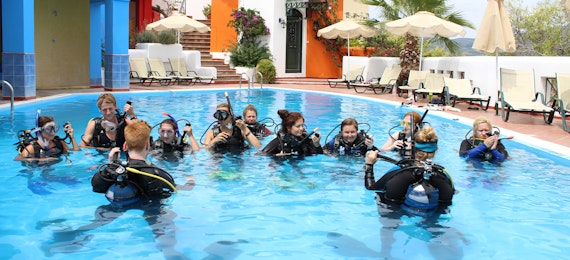
Sodwana Bay has a tropical climate. The temperature average is 72°F (22°C) and the warmest month of the year is January, with an average temperature of 79°F (26°C). In June, the average temperature is 64°F (18°C) and it is the lowest average temperature of the whole year. The driest month is June and most precipitation falls during February. The Sodwana Bay marine camp is located in a low risk malaria area.
What recent Marine Biology & Reef Conservation interns said about their experience
I am more empowered after completing the Marine Biology & Reef Conservation internship as I now have new experience. I have hands-on skills directly in the field with marine conservation which is something I want to focus on in my career. This internship helped me a lot to enter that field and be more qualified to do better work for the environment. My supervisor was awesome and taught me so much in a safe, respectful and informative manner.
The internship exceeded my expectations. Everyone at camp was so kind, friendly and made it a very easy transition. The diving was more incredible than I could have ever imagined and this was my favorite part of the program. I had never dove before and I was blown away by the reef and fish.
I really enjoyed diving in such a rich marine environment and learning about all the different species that existed there for my Marine Biology & Reef Conservation internship in South Africa. This experience greatly broadened my view of the world and of life in general, and has motivated me to do more meaningful and beautiful things in the future. I also received good support as any questions I had during the planning stage were answered very kindly and on short notice.
My favorite part of the internship was getting to experience the incredible wildlife that inhabits Sodwana Bay alongside my peers. I loved going on adventures with the friends I made and getting to explore the different parts of Sodwana Bay. Getting to observe many different animals in their natural habitat gave me more confidence in my field because I am more familiar with the wildlife I will encounter though my work in the future.
To read all reviews, visit our reviews page.
Other internships you may be interested in
-
 Coral Restoration Internships: Intern abroad in Manuel Antonio, Costa Rica
 -
 Marine Biology Internships: Intern abroad in Manuel Antonio, Costa Rica
 -
 Marine & Coastal Conservation Management Internships: Intern abroad in the Galapagos
 -
 Aquaculture & Fisheries Internships: Intern abroad in Greece
 -
 Marine & Wetlands Conservation Internships: Intern abroad in Greece
 -
 Marine Ecology Internships: Intern abroad in Samos, Greece
 -
 Marine Mammal Research & Conservation Internships: Intern abroad in Samos, Greece
 -
 Sea Turtle Conservation Internships: Intern abroad in Okinawa, Japan
 -
 Sea Turtle Conservation Internships: Intern abroad in Tioman, Malaysia
 -
 Marine Biology Internships: Intern abroad in Tenerife, Spain
