Marine Conservation Research Expedition Field Course: Intern abroad in Samos, Greece
Open to students and graduates from all disciplines, the Marine Conservation Research Expedition offers a unique opportunity to develop practical skills and a deeper understanding of applied marine research and conservation. Join our experienced team aboard research vessels and at field bases across the Aegean Sea, take part in multidisciplinary field research, and learn how scientific data and fieldwork translate into practical marine conservation action.
What to expect from your Marine Conservation Research Expedition internship:
- Gain training in the use of specialized marine research equipment.
- Learn about the mapping and monitoring of protected habitats and species.
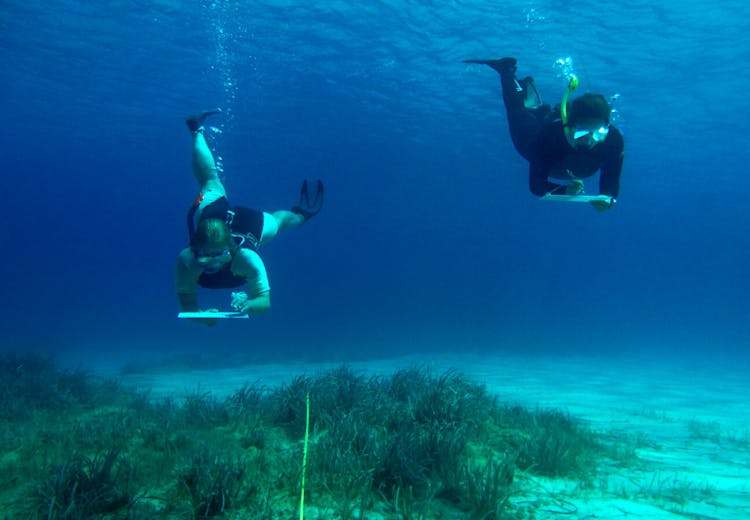
- Develop survey experience using boat-based, snorkel-based and kayak methods.
- Assess anthropogenic impacts on marine ecosystems.
- Learn how various datasets are used to support targeted conservation projects.
Your internship abroad host organization:
- Marine Institute of Conservation
Internship details
The Aegean Sea represents a unique biogeographical crossroads between three continents: Europe, Asia, and Africa. The eastern Aegean is a biodiversity hotspot and the focus of much of our long-term research and conservation work, supporting important Mediterranean populations and ecosystems, including marine mammals, sea turtles, seagrass meadows, and deep-water coralligenous reefs. Against this backdrop, the Marine Conservation Research Expedition offers an immersive introduction to applied marine research and conservation.
For those interested in applying for a longer-term programme, click here to explore our on-site long-term internships and remote internships.
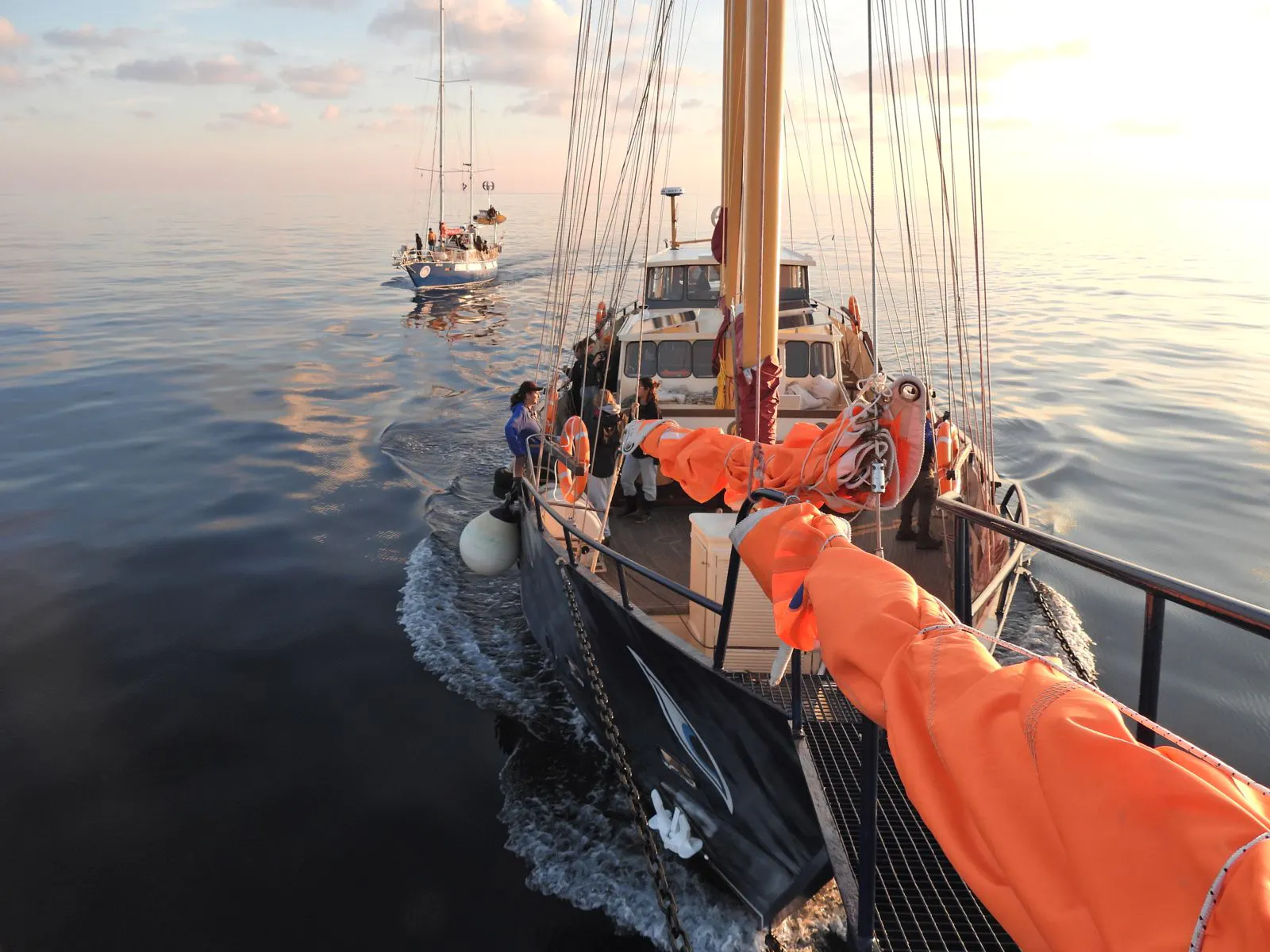
Embark on a high-impact, 7-day research expedition that goes far beyond a standard internship. Living and travelling aboard a flagship research sailing vessel, you will be at the heart of the action, supported by a fully equipped research boat for specialized field operations and parallel research activities.
Guided by experienced scientists, participants move beyond the classroom and into the field, using research vessels as mobile platforms to study, monitor, and contribute to the protection of this ecologically significant region. The expedition begins and ends on Samos Island but, depending on research priorities and weather conditions, involves travelling and conducting fieldwork across different areas of the eastern Aegean Sea.
Unlike independent, long-term internship projects, this expedition follows a structured itinerary and provides a multidisciplinary introduction to practical, field-based marine conservation. As an in-country, field-based course, accommodation and meals are included throughout the expedition.
Due to the immersive and structured nature of this expedition, start dates are limited and advance reservations are strongly encouraged. The 2026 expedition is scheduled for 11–18 October 2026. Dates for 2027 will be announced soon. Spaces are strictly limited. Don’t miss the opportunity to take part in this unique research expedition, contribute directly to ongoing fieldwork, and make a tangible contribution to marine conservation in the Mediterranean.
Typical Schedule
-
9am to 6pm; the daily schedule will depend on weather conditions. Participants are expected to be flexible and enthusiastic to join longer or earlier boat surveys, according to opportunity.
What are the career benefits of interning abroad as a Marine Conservation Research Expedition Intern?
Marine Conservation Research Expedition interns learn from a qualified and experienced supervisor, and can be involved in:
-
Gain practical training in the use of specialized marine research equipment and field methods.
-
Learn techniques for mapping and monitoring marine habitats and species.
-
Develop field survey skills through boat-based, snorkel-based, and kayak-based research.
-
Assess and document anthropogenic pressures and their impacts on marine ecosystems.
-
Understand how different types of scientific data are collected, analysed, and applied to targeted marine conservation projects.
-
Learn how local ecological knowledge can be collected, documented, and integrated with scientific data to support effective conservation action.
Professional development opportunities:
-
Obtain training in boat-based surveys, monitoring behavioral patterns, and assessing the impact of anthropogenic threats on population dynamics.
-
Explore themes related to sustainable tourism, green infrastructure, and environmental preservation.
-
Understand the role of targeted lobbying and legislative research in enforcing conservation measures and managing protected habitats.
-
Boost your employability and essential soft skills, with guidance from Intern Abroad HQ’s Experiential Learning Curriculum.
Are you eligible for this internship?
Submit a free application so we can confirm your eligibility and check availability for your preferred dates.
Not sure which program to join?
Greece photo gallery


Academic credit available for all internships
Get course credit from your college or university while completing your internship abroad or a remote internship program. It's a great way to meet your academic requirements and gain valuable experience at the same time.
Learn about course creditProgram fees
Applying for our Marine Conservation Research Expedition Internship is completely free! The support package covers the assistance we provide in finding your internship and arranging your living accommodations in your host country, ensuring you thrive during your program.
Please note that a deposit of US$499 is required to confirm your place. The remaining balance (minus your initial US$499 deposit) is due at least 60 days before your internship start date.
Duration |
Program Fee |
|---|---|
| 1 week | $2,279 Equivalent to $325 /day |
- Airport pick-up
- Daily breakfast, lunch and dinner
- Accommodation
- 24/7 in-country support
- Program orientation
- Dedicated support before, during, and after your internship
- In-country guidance for social and tourist activities
- Sourcing and securing your internship placement
- Personalization of your internship plan
- Coaching from your supervisor
- Documented portfolio of your experiential learnings
- Academic credit facilitation
- International reference letter
- Certificate of Internship Completion
- In-country transportation
- Transfer back to the airport at the end of your internship program
- Visa (if required), flights, travel insurance (mandatory), vaccinations, criminal background check
- Personal spending money for snacks, drinks, public transport, laundry, and leisure activities during your free time.
Popular add-ons & experiences in Samos
Take your internship to the next level with Intern Abroad HQ's affordable activity and tour add-ons in Samos! Explore your options below and learn how to book them once you've been accepted onto an internship program.

Journey from Athens to Istanbul, exploring ancient battlefields, Greek mythology, historic sites, and delicious local meze along the way.

Island-hop from Athens through Greece’s stunning islands, discovering idyllic beaches, breathtaking scenery, vibrant villages, and ending your adventure in Santorini.
Activities and tourism
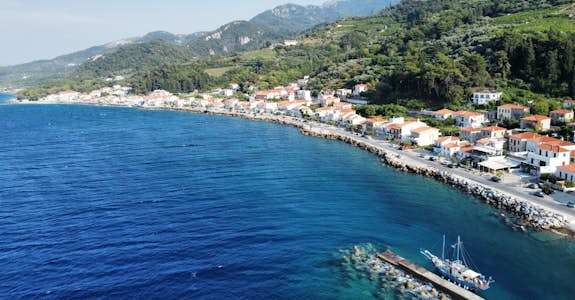
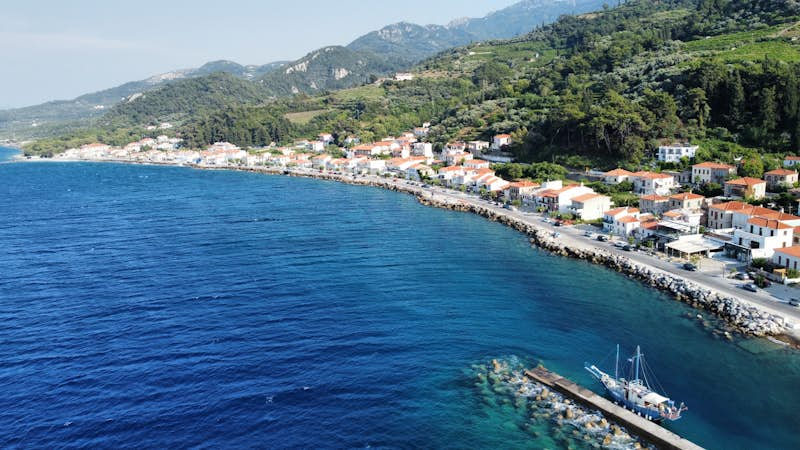
Samos has emerged as peaceful destinations for relaxing away from the hustle and bustle. While the island receives tourism, it is not considered to be a destination for the masses. The island is relatively small and rural, with tight-knit communities, where social cohesion is expected. Spare time during the weekends is available to unwind and explore. There is no shortage of things to see and do, as the islands have ample scenery, hikes, beautiful beaches, restaurants, tourism attractions, culture and history. In the major towns of Pythagoreio, Vathi/Samos City, Karlovasi and Marathokampos, there are numerous shops and supermarkets, tavernas, cafés/restaurants, museums, archaeological sites and pharmacies. The Samos Island medical services include a general hospital in Vathi/Samos City, a health clinic in Pythagoreio, as well as pharmacies in most towns. Note that sometimes internship activities can take place over weekends, so a flexible nature is required.
Arrival and Orientation
Airport pick up and accommodation on board the research vessel and full board are included in the Program Fee.
Interns are required to arrive on the start date. Late arrivals cannot be accommodated. If you arrive earlier, you will be required to arrange your own transportation from the airport and check-in to alternative accommodation (at your own expense) prior to joining the program on the scheduled date.
The typical port of entry into Greece is the Athens International Airport Eleftherios Venizelos (ATH), the largest international airport in the country. From this airport, interns need to connect onto a further domestic flight to Samos Island, via Samos International Airport (SMI). Upon arrival at SMI, interns will be met, greeted, and transferred to the accommodation. No airport meet-and-greets are provided in Athens.
Participants are advised not to book flights until they have first registered to confirm their participation and placement details.
Check what's required to visit Greece
Check out the widget below to learn about the visa requirements for the Marine Conservation Research Expedition internship in Greece, based on your country of residence.
Accommodation and WiFi
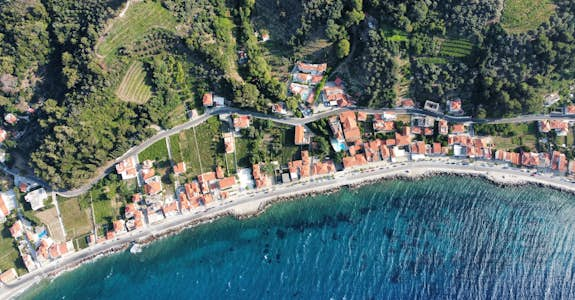
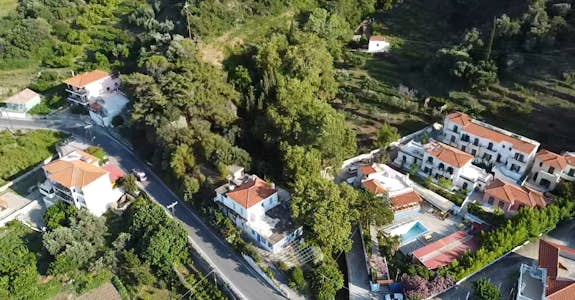
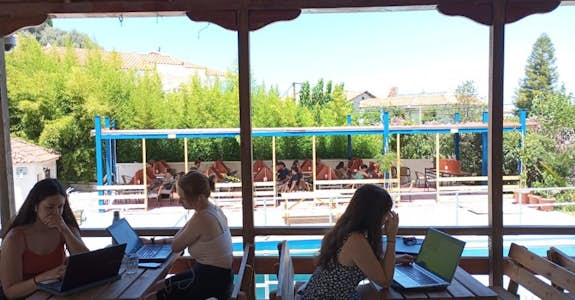
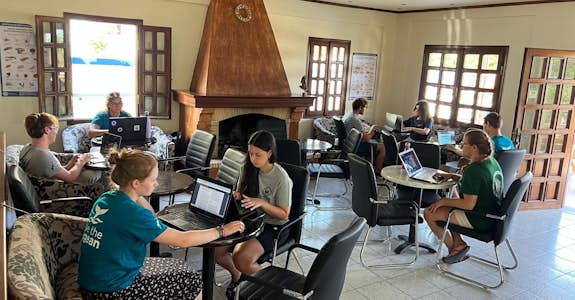
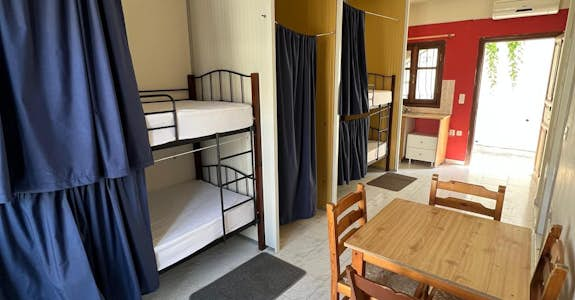
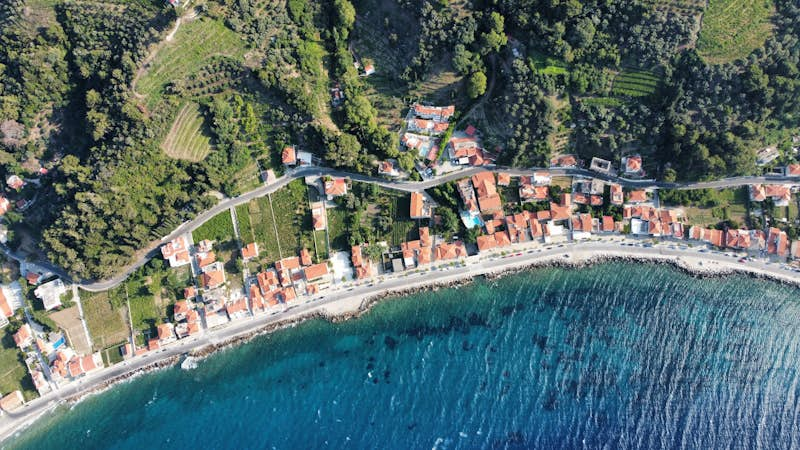
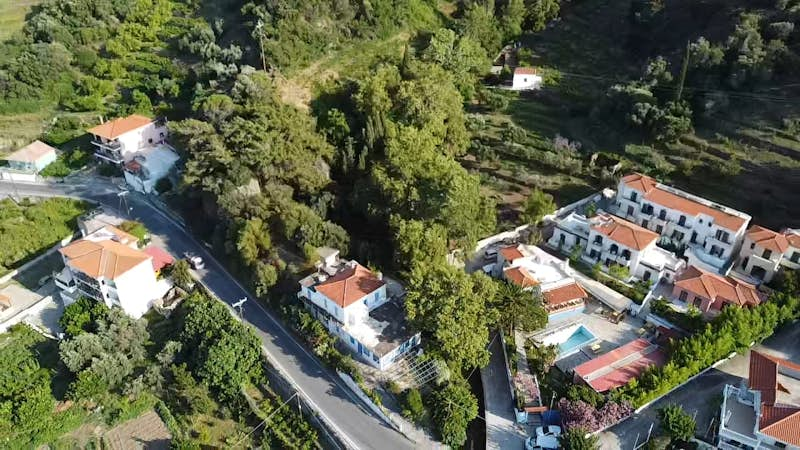
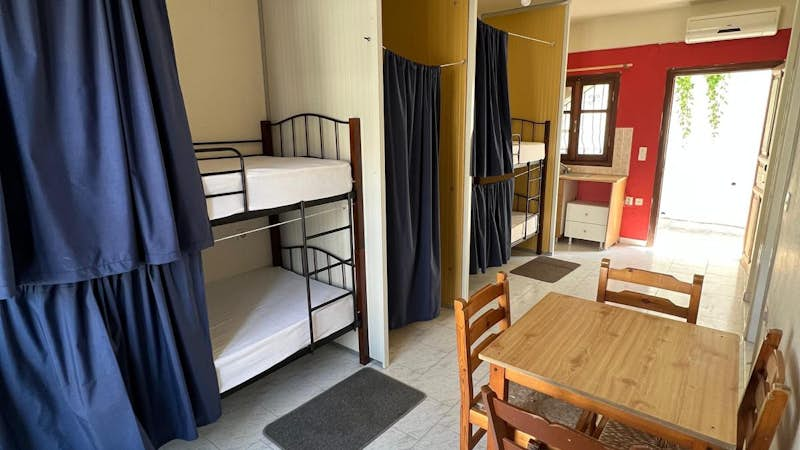
Expedition accommodation is shared onboard the research vessel, a three-mast sailing boat that serves marine conservation action at sea. It is equipped with specialized equipment, offering the capability of real-time processing of environmental, oceanographic and other data necessary to address modern and ever-increasing threats to marine species and ecosystems.
Cabins onboard the research vessel can be shared between between 2, 4 or 6 people of the same gender. These cabins provide basic single beds, with communal washrooms on board.
Meals
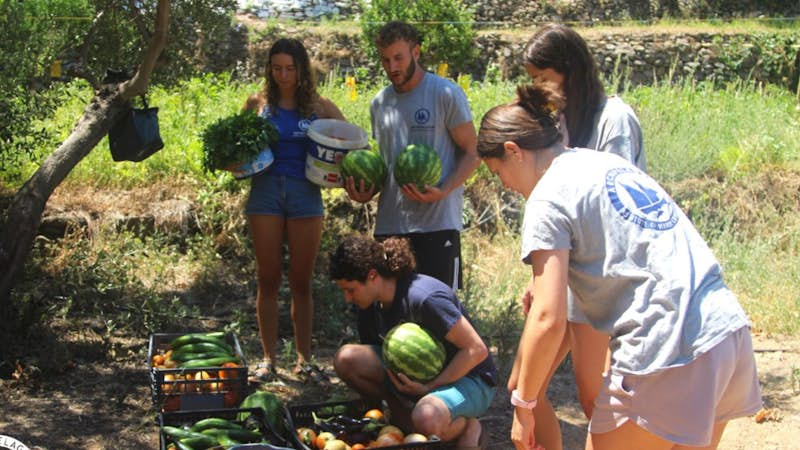
The Research Expedition includes three meals per day, served on the research vessel or at one of the Conservation Institute’s research bases.
Dishes are simple and intended to be hearty and healthy (based on seasonal produce which is locally available), but not indulgent. If there are special snacks you like to have, please bring them, to take care of your own preferences independently.
Please let us know of any specific dietary requirements that you have in advance, so that we may ensure your hosts are aware and make recommendations accordingly.
Essential country information
In Samos, the climate follows typical Mediterranean patterns. The summers are hot, arid, and clear; the winters are long, cold, wet, and partly cloudy. It is windy in the Aegean Islands year-round.
The main summer period runs from mid June to mid September, with an average daily high temperature above 84°F / 29°C. The hottest month of the year is July, with an average high of 90°F / 32°C. The summer months are also the driest. The Spring period is moderate and (as it’s not so hot) also a popular season for tourism.
The winter months are from late November through to late March. The coldest month of the year is usually January, with an average low of 43°F / 6°C and high of 54°F / 12°C. Rainfall is more common and the winter months on the Greek islands are fairly slow with tourists.
The nature of activities that interns are involved with varies depending upon seasonality, as all internship activities are subject to weather conditions. Therefore, over the winter months, interns should expect less boat surveys (and tasks related to marine mammals) and more tasks related to marine ecology, microplastic assessment in the laboratory, and (subject to availability) marine sanctuary project priorities.
Other internships you may be interested in
-
 Coral Restoration Internships: Intern abroad in Manuel Antonio, Costa Rica
 -
 Marine Biology Internships: Intern abroad in Manuel Antonio, Costa Rica
 -
 Marine & Coastal Conservation Management Internships: Intern abroad in the Galapagos
 -
 Aquaculture & Fisheries Internships: Intern abroad in Greece
 -
 Marine & Wetlands Conservation Internships: Intern abroad in Greece
 -
 Marine Ecology Internships: Intern abroad in Samos, Greece
 -
 Marine Mammal Research & Conservation Internships: Intern abroad in Samos, Greece
 -
 Marine Conservation & Research Diving Internships: Intern abroad in Tioman, Malaysia
 -
 Sea Turtle Conservation Internships: Intern abroad in Tioman, Malaysia
 -
 Marine Biology & Reef Conservation Internships: Intern abroad in Sodwana Bay, South Africa
 -
 Marine Biology Internships: Intern abroad in Tenerife, Spain
